


Importers evaluating a new power chewer product line face a common problem. Marketing copy calls almost everything “extra strong” or “indestructible.” Very little of it explains what actually makes one chew denser than another.
Gorilla Coffee Wood Chew from CWDC Vietnam is built around a specific material selection process, not a marketing label. This guide walks through what a buyer should actually check before placing a bulk order.
Why Density Is a Sourcing Question, Not Just a Product Feature
Standard coffee wood chews already outperform many synthetic alternatives on durability. Gorilla Coffee Wood Chew goes a step further, targeting the small percentage of dogs that destroy standard chews within days.
That performance gap comes from raw material selection, not a different manufacturing recipe. Two chews can look nearly identical while behaving completely differently under heavy chewing pressure, depending on which part of the tree the wood came from.
For an importer, this means density cannot be judged from a product photo. It has to be understood at the sourcing level, before the first container ever ships.
Branch and Trunk: Why Gorilla Chews Use Both
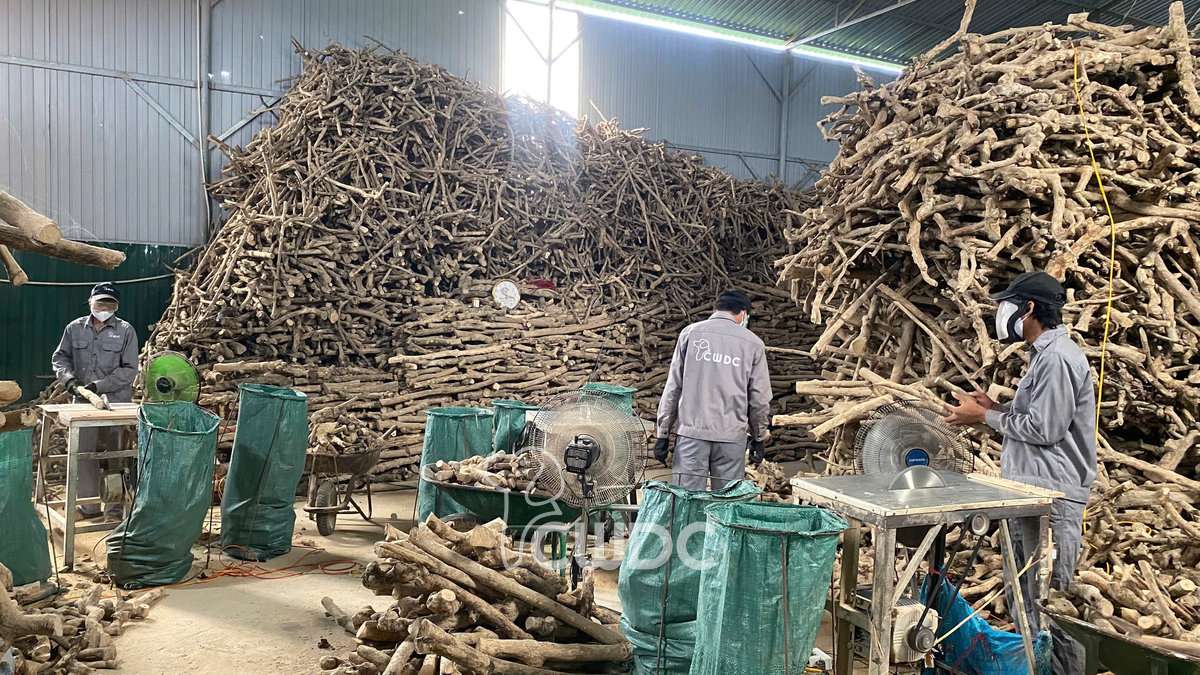
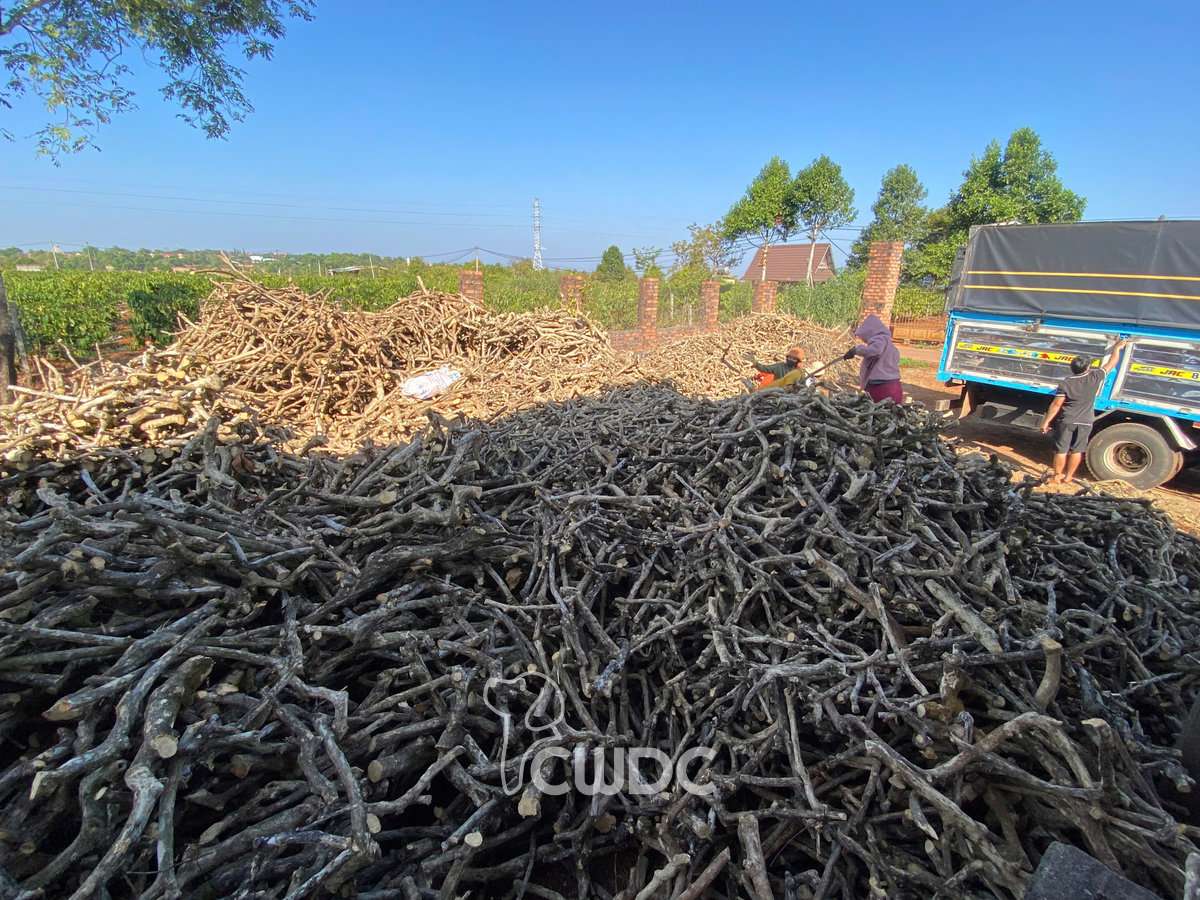
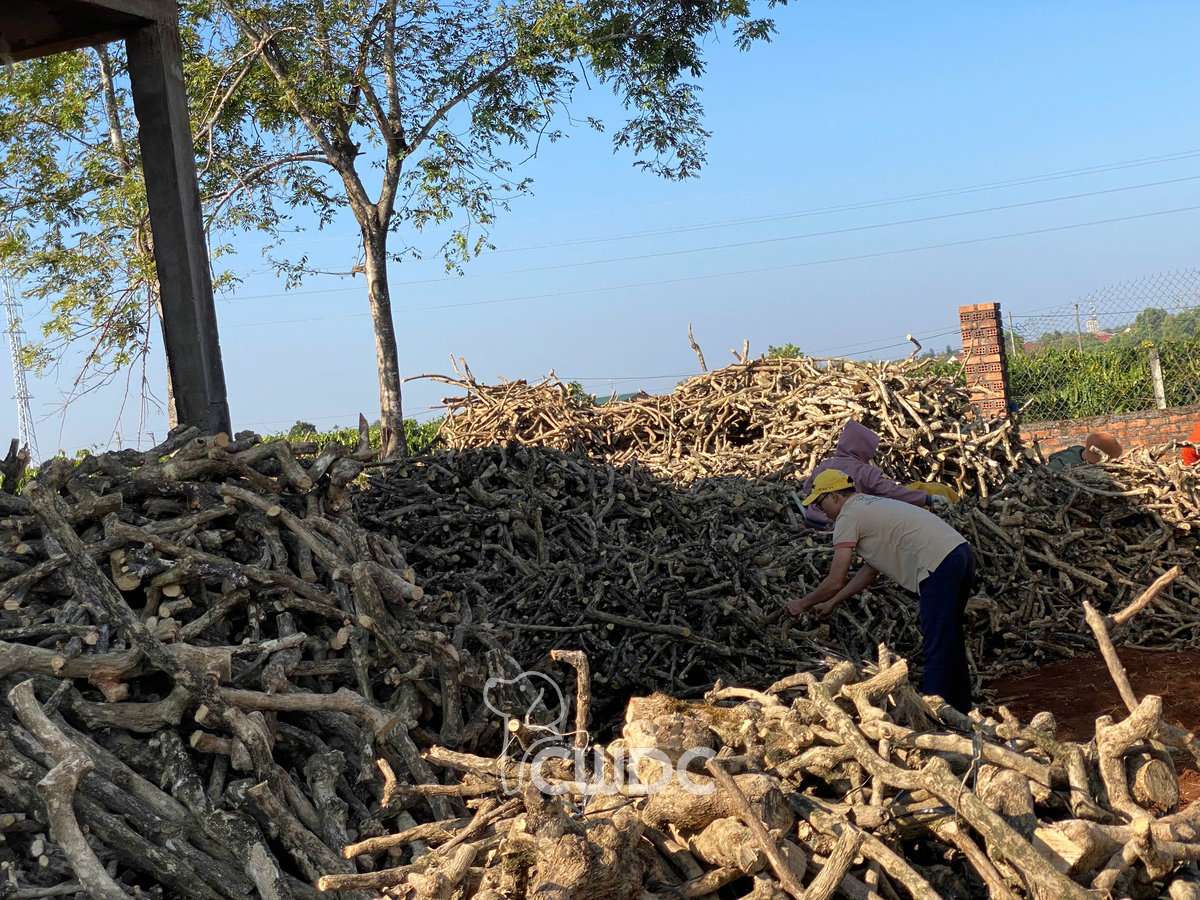
Standard coffee wood dog chews come exclusively from branch sections. Gorilla Coffee Wood Chew is different. Our production line sources from both branch and trunk material.
Trunk wood carries a denser, more compact grain structure than branch wood, built up over decades of tree growth. That density is exactly what a heavy chewer’s jaw pressure requires.
However, trunk sections also vary more in density from one tree to the next than branch sections do. That is why grading each trunk piece individually matters more for this product line than for any other in our catalog.
As a result, not every trunk section that arrives at our facility qualifies for the Gorilla line. Pieces that do not meet our density threshold get redirected to other product categories instead.
What Quality Grading Actually Looks Like
Grading happens in stages, starting with visual inspection for grain tightness and moisture pattern. Pieces with wide, loose grain rings get filtered out early, since they indicate faster growth and lower density.
Next, selected pieces move through size classification. Larger Gorilla chews, like most large coffee wood products, require kiln drying rather than natural air drying. The added density of trunk wood makes controlled drying even more important, since moisture trapped at the core of a dense piece takes longer to escape than in branch wood of the same size.
Finally, finished pieces go through a hardness check before packing. This step catches any piece that passed earlier stages but does not meet the final density standard for the Gorilla line.
Consequently, a buyer sourcing Gorilla Coffee Wood Chew is not just ordering a bigger version of a standard chew. They are ordering wood that passed a more selective process at every stage.
Questions to Ask Any Supplier Before Placing a Bulk Order
First, ask whether the supplier grades material by density or simply by size. Size alone says nothing about how a chew will perform against a determined power chewer.
Second, ask whether the manufacturer sources trunk wood directly or purchases pre-cut material from a third party. Direct sourcing allows tighter control over which pieces meet the grading standard, since the manufacturer controls selection from the raw log stage.
Third, ask how drying is handled for larger, denser pieces specifically. A supplier applying the same drying method across every size, regardless of density, is more likely to ship inconsistent product across a large order.
Additionally, ask for evidence of quality control beyond a verbal claim. A manufacturer confident in its process should be able to describe grading stages clearly, the same way this guide does.
Why This Matters for Retail Performance
Heavy chewer products carry a reputation risk that lighter products do not. A standard chew that wears out quickly disappoints a customer. A power chewer chew that fails immediately damages trust in the entire product category.
Therefore, retailers stocking this category benefit directly from tighter sourcing standards upstream. Fewer returns, fewer complaints, and stronger repeat purchase behavior all trace back to consistent raw material grading at the manufacturing stage.
On the other hand, a retailer working with a supplier that cannot explain their grading process inherits that risk without knowing it, often until complaints start arriving.
Sourcing Gorilla Coffee Wood Chew From CWDC Vietnam
CWDC Vietnam manufactures Gorilla Coffee Wood Chew directly, from raw branch and trunk selection through kiln drying and final hardness grading. Every stage happens under one roof, which keeps the grading standard consistent across every production run.
For importers evaluating this category, that level of process control is the detail worth asking about before comparing price sheets. Explore our Gorilla Coffee Wood Chew line to review current specifications, learn about our OEM and ODM solutions if you are building a private label power chewer product, and see how to become a CWDC Vietnam retail partner for ongoing wholesale supply.


