


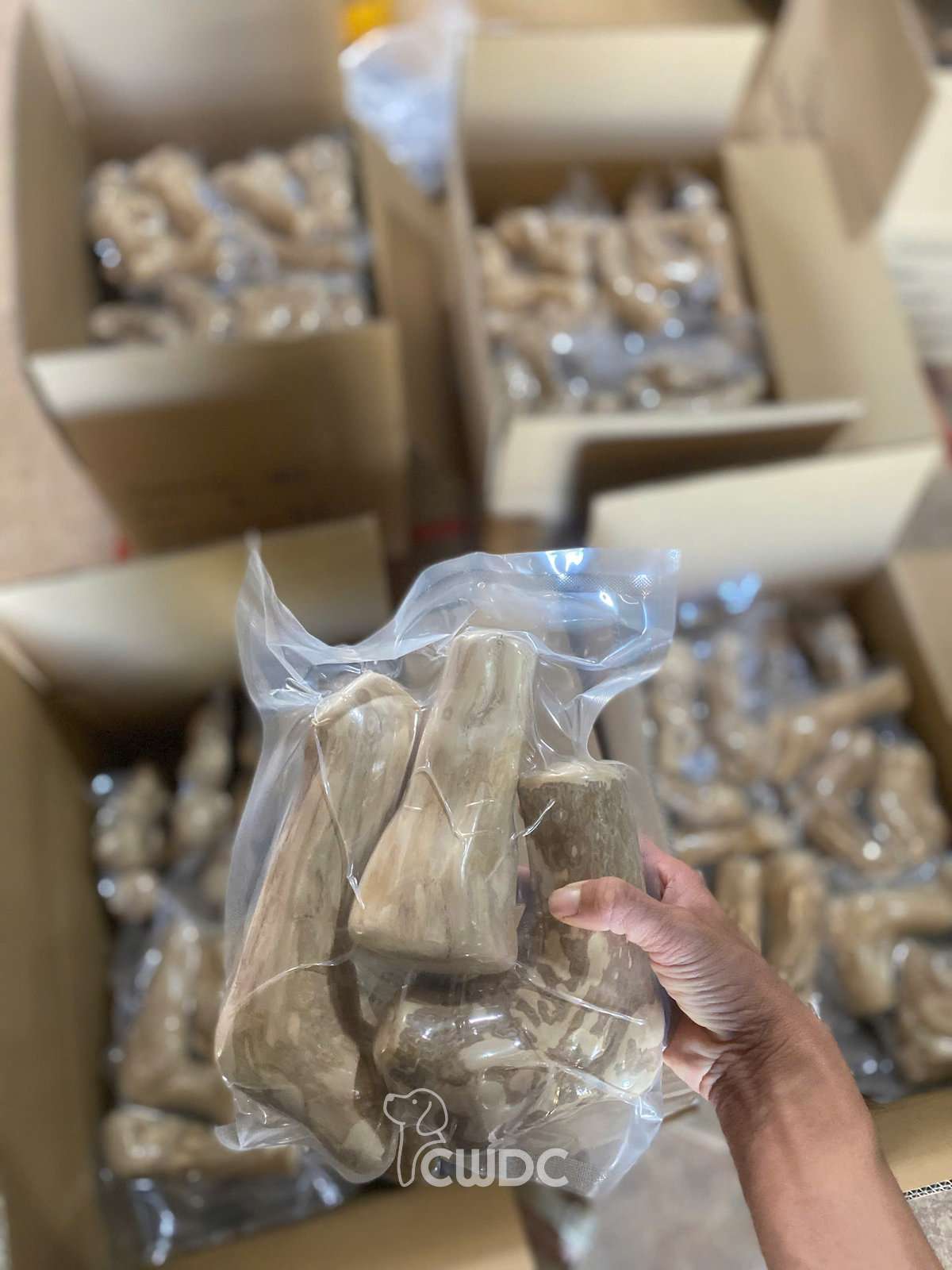
A dense, heavy-duty chew like Gorilla Coffee Wood Chew faces a packaging challenge that standard chews do not. Denser wood retains moisture differently, weighs more per unit, and travels the same long ocean routes as every other export product.
This guide explains how CWDC Vietnam packages Gorilla Coffee Wood Chew for bulk export, and what an importer should check before confirming a container order.
Why Dense Wood Needs a Different Packaging Approach
Gorilla Coffee Wood Chew combines branch and trunk sections, chosen specifically for their density and load-bearing strength. That same density creates a packaging risk that lighter branch-only chews do not face as severely.
Dense wood holds residual moisture at its core longer than thinner branch wood. If packaging traps humidity against the surface during a multi-week ocean transit, mold risk increases even after correct kiln drying at the factory.
Therefore, packaging is not a cosmetic finishing step for this product line. It is a second layer of moisture control that works alongside the drying process itself.
What Our Packaging Process Actually Involves

Every Gorilla Coffee Wood Chew shipment goes into carton boxes with an inner vacuum-sealed bag. The vacuum bag removes excess air and limits how much ambient moisture can reach the wood during transit.
Carton boxes are sized to prevent excessive shifting inside the container. Loose product movement during a long sea voyage increases the chance of surface abrasion and cracked edges, which shows up as damaged goods at the receiving port.
Additionally, each carton is weight-tested before palletizing. Overpacked cartons stress the bottom layer of a stacked pallet, which can compress and damage product that was perfectly fine when it left the factory floor.
What Happens When Packaging Is Done Wrong
Poor packaging rarely shows up as a problem until the container is already at sea. By the time it reaches the destination port, the damage is already done and difficult to reverse.
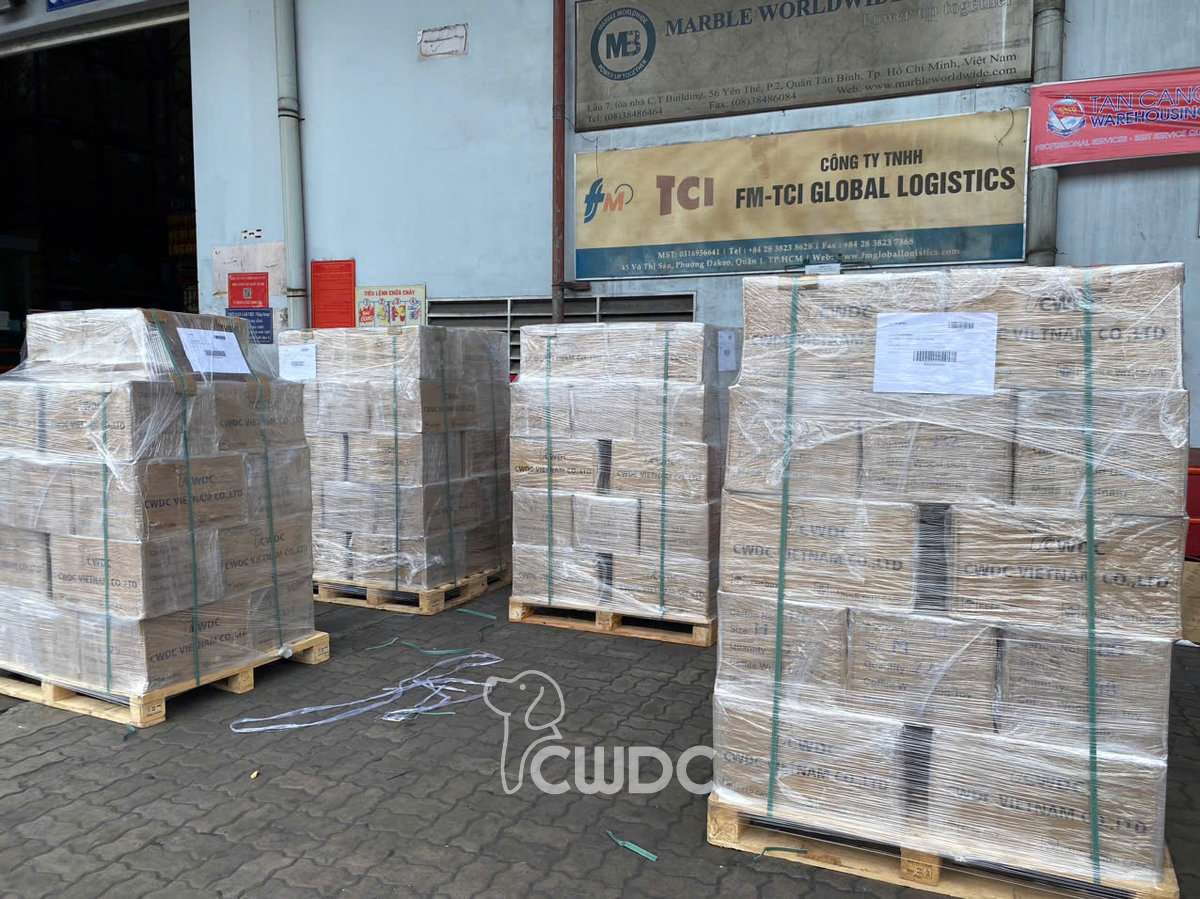
Common outcomes include surface mold from trapped humidity, cracked cartons from shifting cargo, and crushed bottom layers from uneven weight distribution across a pallet. Each of these turns into a damage claim, a partial rejection, or a costly reorder for the importer.
These costs land on the buyer first, long before they land on the supplier. That is why packaging quality deserves the same scrutiny as product quality during supplier evaluation, not an afterthought once the product itself looks acceptable.
Why Weight Distribution Matters More for This Product
Gorilla Coffee Wood Chew weighs meaningfully more per unit than a standard branch-only chew, given its trunk content. This changes how a container should be loaded.
Heavier cartons need to sit lower in a container to keep the overall load stable during ocean transport. A supplier who palletizes without accounting for this creates avoidable risk of shifted cargo.
On the other hand, a manufacturer experienced with this specific product understands the loading sequence needed to protect both the cargo and the container’s weight balance. This is a detail worth asking about directly.
How Export Documentation Supports Smooth Customs Clearance
Packaging alone does not guarantee a smooth import process. Every shipment also needs the correct export documentation to clear customs without delay in the destination country.
CWDC Vietnam provides phytosanitary certificates, certificates of origin, and fumigation certificates with every export shipment. These documents confirm that the wood has been treated and inspected according to international trade requirements.
Consequently, a buyer receiving both correctly packed cartons and complete documentation avoids the two most common causes of shipment delay: physical damage claims and customs holds.
Questions to Ask Before Your Next Container Order
First, ask whether the supplier uses vacuum-sealed inner bags specifically for denser, trunk-inclusive products like Gorilla Coffee Wood Chew, or applies the same packaging across every product line regardless of density.
Second, ask how cartons are arranged within a container for weight distribution. A supplier who cannot explain this clearly may be relying on a freight forwarder to solve loading problems after the fact.
Finally, confirm which export certificates come standard with your order, and request copies before the container ships rather than after it arrives.
Sourcing Gorilla Coffee Wood Chew From CWDC Vietnam
CWDC Vietnam manufactures and packages Gorilla Coffee Wood Chew directly, from raw material grading through export-ready palletizing. Every stage happens under one roof, which keeps packaging quality consistent across every production run.
For importers planning a bulk order, that level of process control is worth reviewing before comparing supplier quotes. Explore our Gorilla Coffee Wood Chew line to see current specifications, review our export certifications for independent verification, and learn why wholesale buyers choose CWDC Vietnam as a long-term manufacturing partner.


