


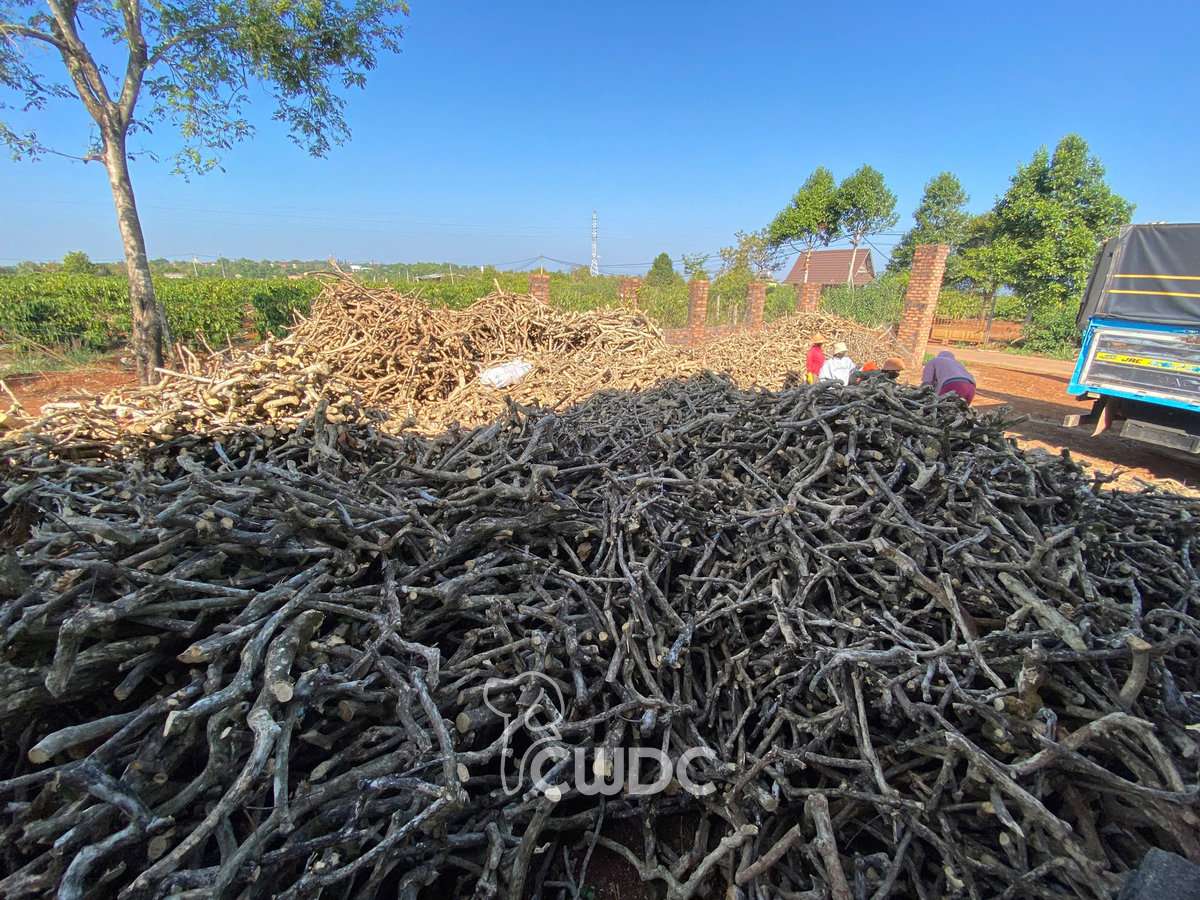
A buyer sourcing coffee wood dog chews for the first time usually asks the same question. Why does one size feel bone dry and another feel slightly heavier in hand? The answer comes down to a single manufacturing decision: drying method.
At CWDC Vietnam, drying is not a single step applied the same way to every product. It changes based on size, and that change is deliberate. Getting it wrong affects moisture content, chew life, and consistency across a bulk shipment.
A Question Every Serious Buyer Asks Before Ordering
Most first-time importers focus on wood source and hardness. Fewer ask about drying method, yet it matters just as much. A chew that retains too much internal moisture can develop mold risk during a long ocean shipment. A chew dried too aggressively can turn brittle and crack before it ever reaches a store shelf.
Therefore, drying is not a cosmetic finishing step. It is a quality control decision made early in production, based on the physical size of each piece.
Additionally, buyers who understand this distinction tend to ask better questions during supplier evaluation. They want to know which method applies to which size, and why.
Why Drying Method Cannot Be One-Size-Fits-All
Coffee wood branches vary significantly in diameter once cut into finished chew sizes. A small chew designed for a puppy has a thin cross-section. A large chew built for a heavy chewer is far denser at its core.
Consequently, moisture escapes from these two pieces at very different rates. A thin piece releases internal moisture quickly through natural airflow. A thick piece holds moisture much longer at its center, even after the surface looks completely dry.
If every size went through the same drying process, one of two problems would appear. Small chews would over-dry and lose structural integrity. Large chews would retain hidden moisture and risk mold during storage or transit.
For this reason, CWDC Vietnam applies two distinct drying methods, selected by size.
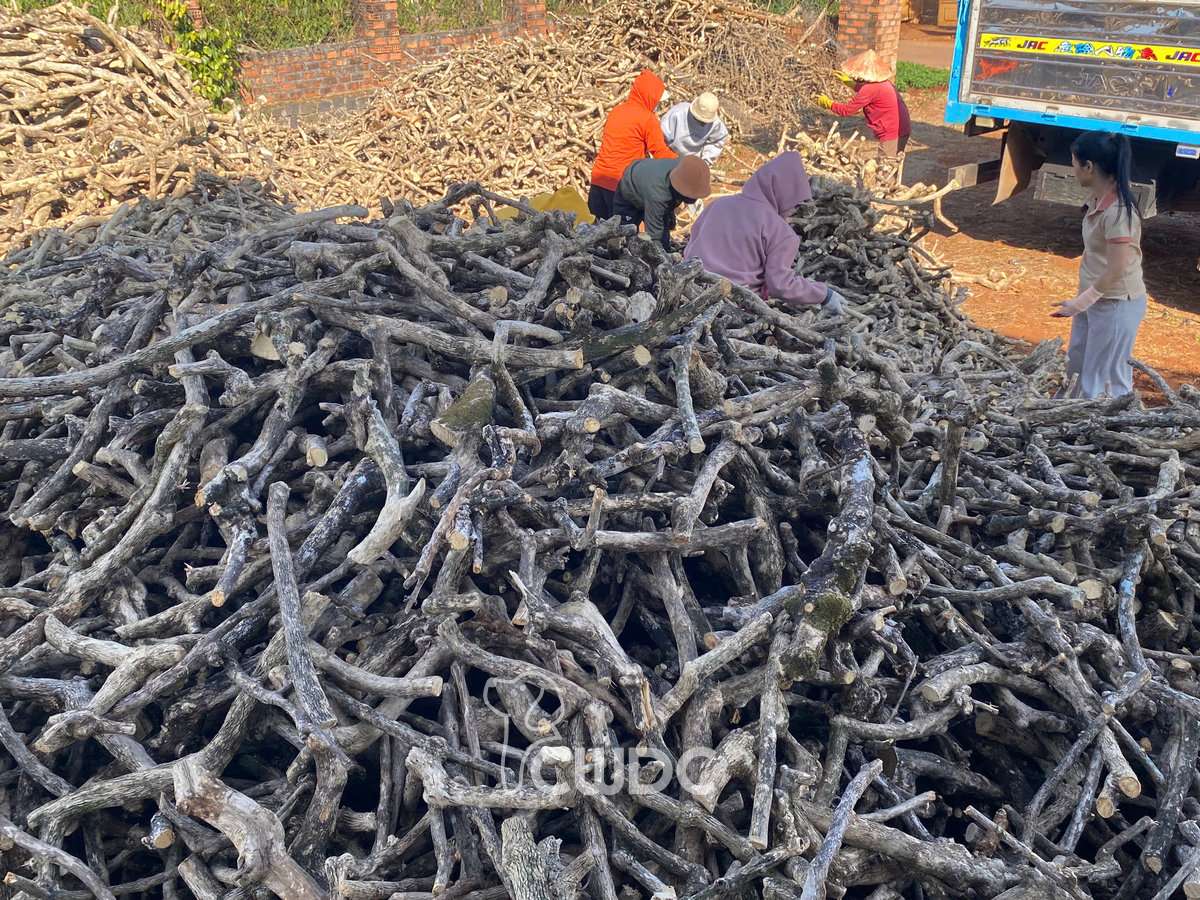
Large Sizes Require Kiln Drying
Chews classified as size L and above go through kiln drying. This is a controlled, industrial drying process that removes moisture evenly from the inside out, not just from the surface.
Kiln drying takes longer and requires more energy than natural drying. However, it is the only reliable method for larger, denser pieces. Natural airflow alone cannot penetrate deep enough into a thick branch section within a reasonable production timeline.
As a result, every large chew that leaves our facility has been dried under controlled temperature and airflow conditions, verified before packing. This matters directly to importers because larger sizes are also the pieces most likely to sit in a container for weeks during shipping.
Smaller Sizes Are Naturally Dried
Chews at size M and below go through natural drying instead. Their thinner cross-section allows moisture to escape efficiently through open-air exposure alone.
In fact, kiln drying a small chew would be unnecessary and potentially harmful. The intense heat and airflow used for larger pieces can over-dry thin wood, making it brittle and prone to splintering.
Natural drying preserves the wood’s natural density and grain structure in smaller sizes, which is exactly what a healthy chewing product needs. Furthermore, this approach keeps production more efficient without sacrificing quality where it is not needed.
When a size falls outside a clearly labeled category, our production team defaults to careful, monitored drying rather than guessing. Buyers evaluating mixed-size orders should expect this same standard applied consistently.
How Seasonal Harvesting Feeds This Process
Drying method only works correctly when the raw material entering the process is consistent. That consistency starts with harvest timing.
Robusta coffee trees across Vietnam’s Central Highlands are typically replaced after twenty or more years of productive farming life. Harvest season for this raw material follows the coffee farming calendar itself, concentrated within specific months each year.
On the other hand, sourcing wood outside this window often means working with inconsistent moisture content before drying even begins. That inconsistency is difficult to correct later, no matter how controlled the drying process is.
This is why CWDC Vietnam collects and stores a full year of raw material during peak harvest season, rather than sourcing reactively throughout the year. Consistent input material is what allows the size-based drying rule to produce reliable, repeatable results across every order.
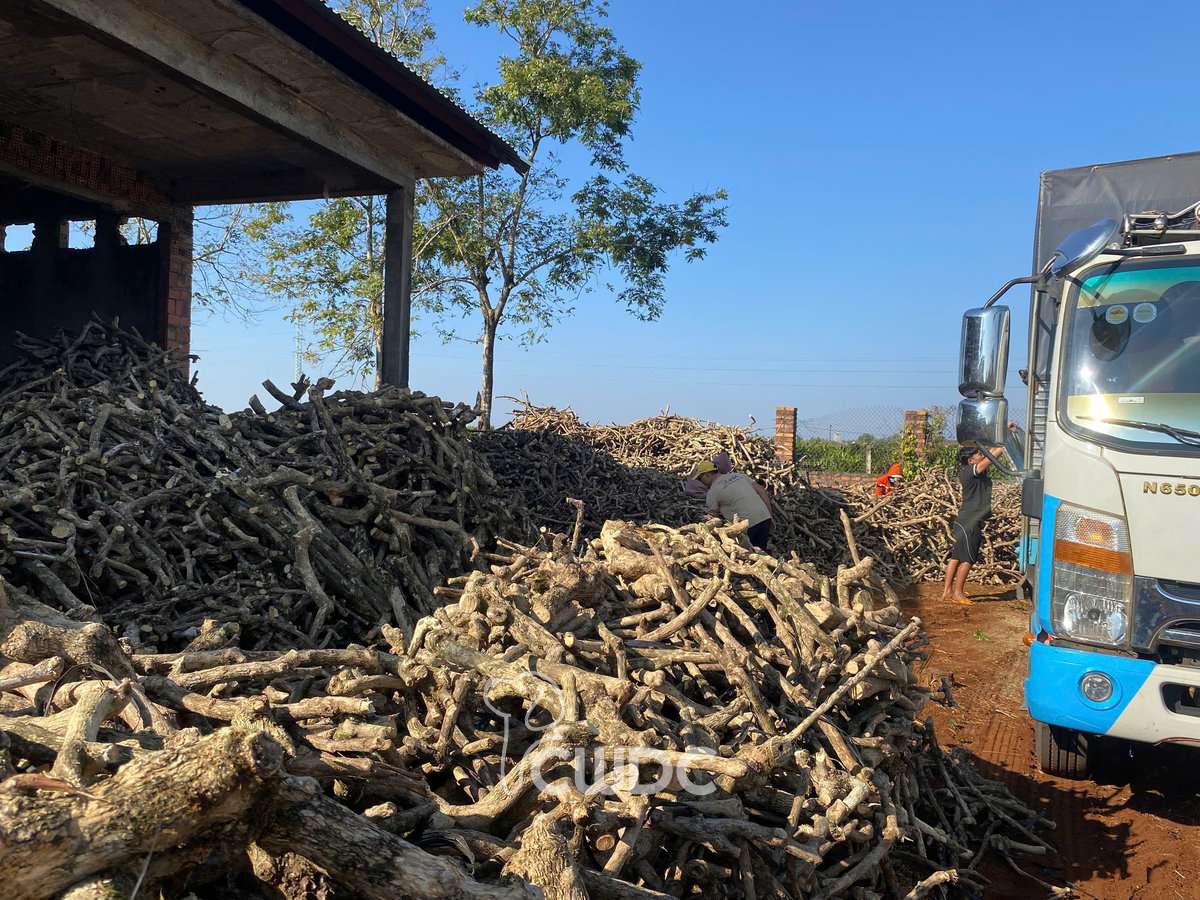
Branch Selection Adds Another Layer of Consistency
Drying method is only one part of the equation. Material selection happens before that, and it matters just as much for a standard dog chew line.
CWDC Vietnam sources coffee wood dog chews exclusively from branch sections, not trunk wood. Branches offer a more uniform density profile across their length, which makes size grading and drying far more predictable.
Trunk sections, by contrast, vary enormously in density from outer layer to core. That variation works well for products designed around structural stability, such as bird playstands, but it introduces inconsistency that a standard chew line does not need.
Consequently, branch-only sourcing and size-based drying work together as one system, not two unrelated rules. Each supports the other in producing a chew that behaves the same way, batch after batch.
Common Questions From First-Time Importers
Buyers new to coffee wood sourcing often ask whether drying method affects shelf life during storage. It does. Properly kiln dried large chews and properly naturally dried small chews both resist mold and warping far better than wood dried using a mismatched method.
Another common question involves mixed-size container orders. Because CWDC Vietnam applies size-based drying as a standing production rule, not a special request, mixed orders receive the same quality standard across every size included.
Some buyers also ask how this compares to competitors who advertise a single drying method for their entire catalog. In practice, a single method applied to every size usually means one size range is being underserved, either over-dried or under-dried relative to its ideal moisture target.
That gap tends to show up later, in customer complaints about splintering or in returns linked to mold after long transit times. Avoiding that outcome starts with a drying process built around size from the beginning.
What This Means for Your Next Bulk Order
For importers, this level of process detail is not just interesting background information. It directly answers a practical sourcing question: can this manufacturer guarantee consistent quality across mixed pallet or container orders.
A supplier who cannot explain why drying method changes by size is often a trading company reselling from multiple uncontrolled sources. A supplier who can explain it, with specifics, is almost always the actual manufacturer.
That distinction affects everything downstream: return rates, customer complaints, and repeat order confidence.
Coffee wood dog chews from CWDC Vietnam are produced with this size-based drying standard applied to every batch, regardless of order volume. Explore our Coffee Wood Dog Chew range to see the full size lineup, review why wholesale buyers choose CWDC Vietnam as a long-term manufacturing partner, and check our quality certifications for independent verification before placing your first order.


