


Placing a first bulk order with a new supplier is a real financial risk for any importer. Photos and product descriptions only go so far. This is exactly why CWDC Vietnam sends physical samples before any container order gets confirmed.
This guide explains why sample evaluation matters, and what a buyer should actually check when a sample box arrives.
Why Photos Cannot Replace a Physical Sample
A product photo cannot show density, weight, or surface texture. It cannot show whether a chew feels brittle or solid in hand. For a natural wood product, these physical details vary between suppliers far more than most buyers expect.
Coffee wood dog chews are a good example. Two chews can look nearly identical in a photo while behaving completely differently once a dog actually chews on them. That difference comes from raw material quality and drying method, neither of which shows up in a listing image.
Therefore, a sample request is not an extra step. It is the only reliable way to verify quality before committing to a bulk purchase order.
How CWDC Vietnam’s Sample Policy Works
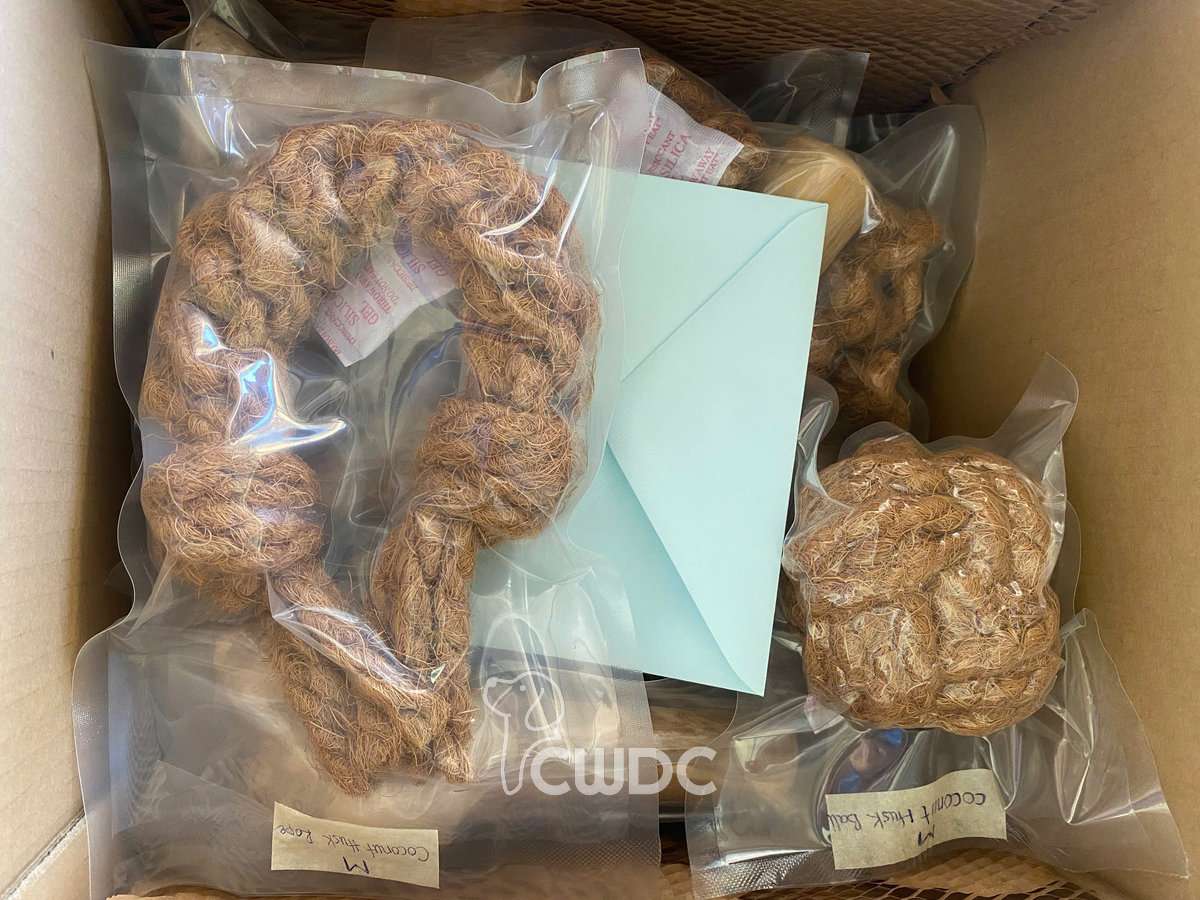
We provide samples of our coffee wood dog chews to serious buyers evaluating a bulk order. The buyer covers initial shipping costs, and we refund that shipping cost once a sales contract is signed.
This structure exists for a specific reason. It filters for buyers who are genuinely evaluating a long-term partnership, while removing the financial barrier once that partnership becomes real.
Additionally, this policy reflects confidence in the product itself. A manufacturer unwilling to let a buyer physically test material before ordering is telling you something about how that material was made.
What to Actually Check When Samples Arrive
First, check moisture content by feel and weight. A properly dried chew feels solid and consistent, not spongy or unusually light for its size.
Second, check for cracking or splintering right out of the packaging. Wood that already shows stress cracks before any chewing has occurred was likely dried incorrectly at the size it was produced.
Third, compare pieces of the same size against each other. Consistency across multiple samples matters more than any single piece looking perfect. Bulk orders depend on that same consistency across thousands of units.
Finally, ask the supplier to explain their drying process for the specific sizes you sampled. At CWDC Vietnam, sizes L and above go through kiln drying, while sizes M and below are naturally dried. A supplier who cannot explain why their process changes by size is worth questioning further.
Why Moisture Control Separates Manufacturers From Trading Companies
Moisture content is the single biggest quality variable in coffee wood products, and it is also the easiest one to get wrong. Wood that is too damp risks mold and rot during a long ocean shipment. Wood dried too aggressively becomes brittle and prone to splintering.

Some trading companies purchase finished chews from multiple uncontrolled sources, then resell them under their own label. In that model, no single party controls moisture content from raw wood through final drying.
On the other hand, a direct manufacturer controls every stage in one facility. That control is what allows a consistent sample to actually predict what a full container order will look like.
This is why we conduct moisture and hardness checks on every production batch, not just on the samples we send out. A sample that does not reflect ongoing production quality would defeat the entire purpose of sending one.
Using Samples to Plan Your Product Line
Samples also give buyers a chance to evaluate sizing before committing to a bulk mix. Our chews come in seven size options, and most importers order a blended range rather than a single size.
Requesting a small assortment across sizes lets a buyer test which combination fits their target retail market before locking in quantities. This is especially useful for buyers building a new private label line and still finalizing their size assortment.
Furthermore, sample evaluation is the right moment to discuss packaging and labeling requirements. Adjustments made before a bulk order are simple. Adjustments requested after production begins are far more costly.
What This Means Before Your Next Bulk Order
A supplier confident in their process will not hesitate to send samples, explain their drying method, or answer detailed questions about moisture control. Hesitation on any of these points is worth noting.
Sample evaluation takes a little extra time upfront. However, it is far less costly than discovering a quality problem after a full container has already shipped.
CWDC Vietnam manufactures coffee wood dog chews directly, with sample requests available for every serious bulk inquiry. Explore our Coffee Wood Dog Chew range to see current size options, review our quality certifications for independent verification, and learn how to request a sample before your next bulk order.


