


How Reptile Keeping Changed: The Bioactive Shift
A decade ago, the standard reptile enclosure was a glass box with a heat lamp, a plastic cave hide. And artificial substrate. Functional, but far removed from what a reptile actually experiences in the wild. The bioactive terrarium movement has changed this fundamentally. Today’s serious reptile keeper builds a living ecosystem: real substrate that supports microfauna, live plants that regulate humidity. And natural decor materials that integrate into the environment rather than sitting on top of it.
The bioactive approach is not a niche trend. By 2026, bioactive setups have become the preferred method among reptile keepers who prioritize animal welfare over convenience. And at the center of every successful bioactive terrarium is one question that determines whether the whole system succeeds or stalls: what is the decor made from?
Natural wood has emerged as the clear answer. And within the natural wood category, coffee wood from CWDC Vietnam is earning a specific and growing reputation among reptile keepers for good reasons.
Why Plastic Hides Fail the Bioactive Standard
The plastic cave hide that dominated reptile keeping for decades has an obvious shortcoming in a bioactive context: it does not belong. Plastic does not integrate with living substrate. It cannot support the microfauna colonies that make bioactive terrariums self-sustaining. It does not regulate temperature or humidity the way wood does. And it does not provide the surface texture that climbing and burrowing species seek as part of their natural behavioral repertoire.

A natural wood hide, by contrast, integrates into the bioactive ecosystem. It provides substrate attachment points for live moss and microfauna. Its surface absorbs and releases ambient humidity, contributing to the humidity gradient that many tropical species require. And wood surfaces offer the kind of grip, texture, and structural variation that no injection-molded plastic product can replicate.
Why Coffee Wood Specifically
Not all natural wood performs equally well in a terrarium environment. The key requirements for terrarium wood are density, resistance to mold and rot under sustained humidity, surface texture appropriate for climbing species. And absence of chemical treatments that could harm sensitive reptiles. Coffee wood meets all of these criteria with exceptional consistency.
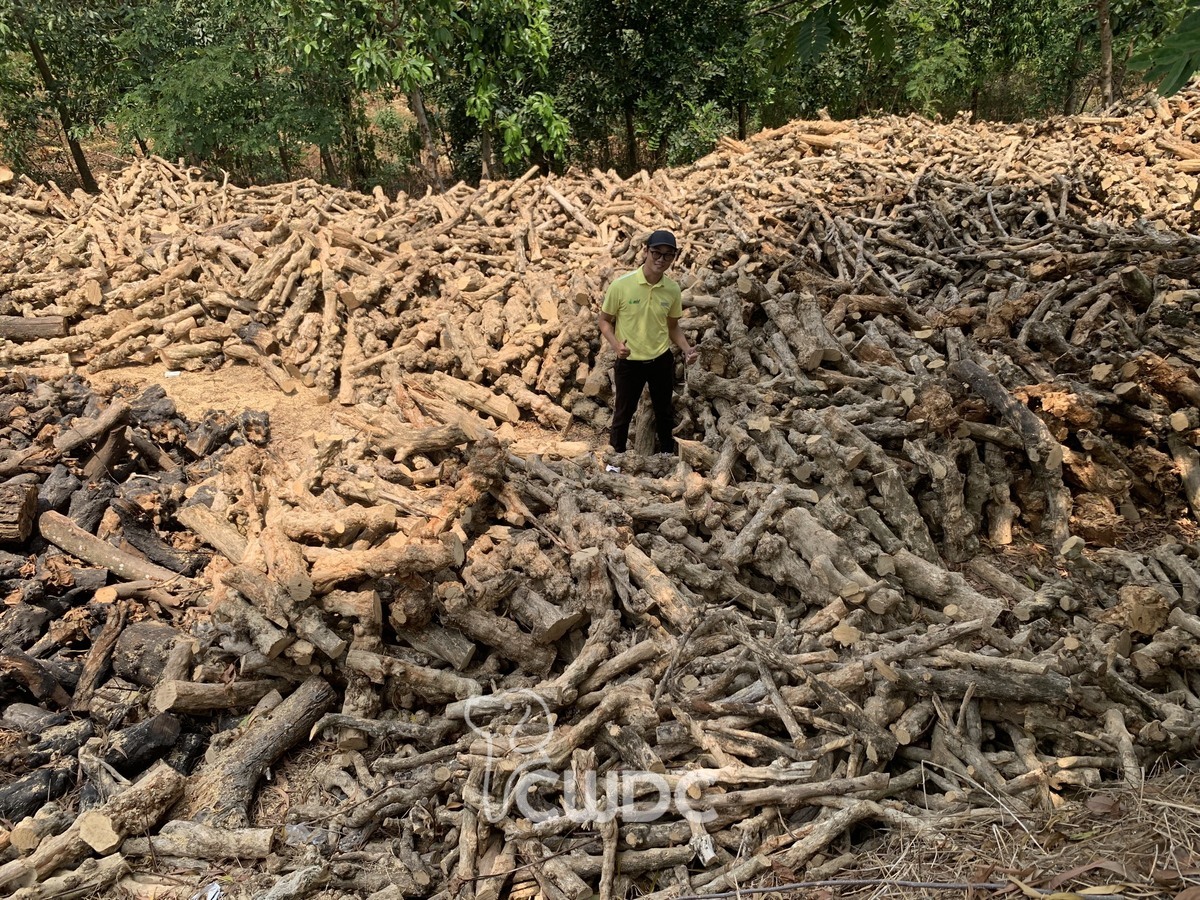
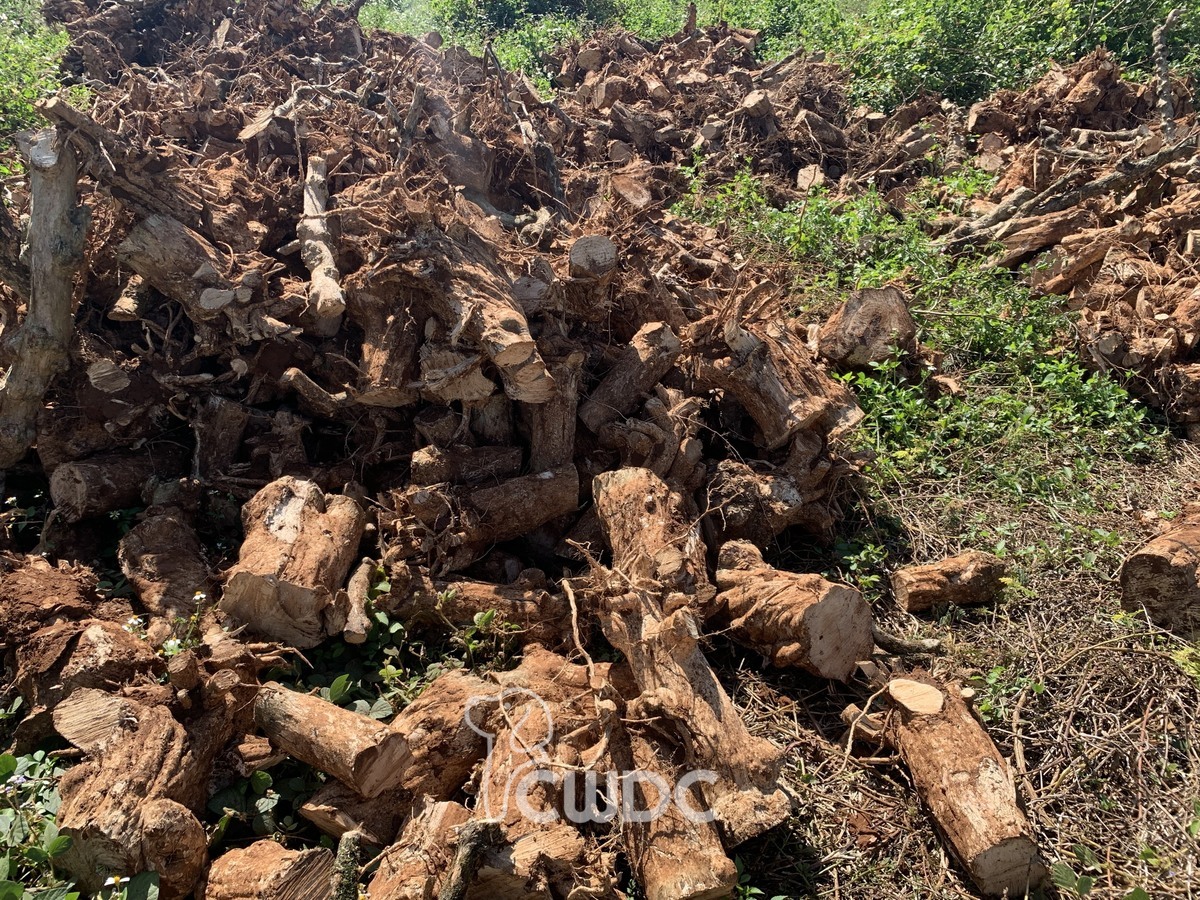
Coffee wood, harvested from retired Coffea robusta and Coffea arabica trees in Vietnam’s Central Highlands, is a genuinely dense hardwood. This density matters in two ways. First, it means the wood holds its structural integrity in high-humidity environments significantly longer than softer woods that swell, crack, or degrade rapidly. Second, dense wood provides real climbing traction for arboreal and semi-arboreal species, including popular terrarium residents like crested geckos, chameleons. And tree monitors, for whom grip is a welfare requirement rather than a luxury.
Coffee wood surfaces also provide natural temperature variation along a single branch or hide structure. Wood conducts and releases heat differently from plastic, glass, or resin, creating micro-gradients within the terrarium that allow reptiles to thermoregulate with far greater precision than a flat plastic surface permits. For ectothermic animals whose health depends entirely on accessing the right temperatures throughout the day, this is a meaningful functional advantage.
Processing for Terrarium Safety
The suitability of any natural wood for terrarium use depends heavily on how it is processed. Raw, unprocessed wood can introduce mold spores, pests, and surface bacteria that compromise the health of the terrarium ecosystem. CWDC Vietnam addresses this through kiln-drying, which is the appropriate processing method for the larger coffee wood pieces used in reptile hideouts, branches. And climbing structures.
Kiln-drying achieves thorough moisture reduction throughout the wood’s core, eliminating pests and significantly reducing the risk of mold propagation in high-humidity terrarium environments. Importantly, kiln-drying is accomplished through heat alone, without chemical fumigation, pesticide treatment, or surface coating of any kind. The finished wood is safe for direct contact with reptile skin, which is notably sensitive to chemical residues, particularly in thin-skinned species like day geckos and soft-shelled turtles.
Every piece is inspected for surface integrity before it leaves the facility. No loose bark sections that could harbor mold pockets. No sharp structural edges that could cause abrasion injuries. No chemical residues from agricultural or processing treatments.
Coffee Wood for Hamsters: The Parallel Case for Small Mammal Enrichment
The same properties that make coffee wood ideal for reptile terrariums translate directly to small mammal habitats. Hamsters, in particular, have a sophisticated behavioral need for structured, safe tunneling and hiding environments. In the wild, hamsters create elaborate burrow systems that provide thermal insulation, predator protection. And a sense of security that directly impacts their stress levels and overall health.

Coffee wood tunnel and hideout structures from CWDC Vietnam replicate this natural environment within a domestic habitat. The wood is dense enough for hamsters to gnaw without consuming significant material, a natural enrichment behavior that also helps maintain their continuously growing incisors. The irregular surfaces of natural coffee wood engage the hamster’s tactile and olfactory senses in ways that smooth, manufactured plastic tunnels cannot. And the absence of chemical treatments means that even the most avid gnawers are not ingesting anything that should not be in their system.
The 2026 Market Opportunity in Reptile and Small Pet Natural Decor
The global reptile keeping market has grown substantially in the past five years, driven by a younger demographic of keepers who have entered the hobby via social media communities and who have high aesthetic standards alongside strong welfare commitments. This segment actively shares their enclosure builds, seeks out premium natural materials. And purchases internationally from suppliers who can provide consistent quality and transparent sourcing.
Coffee wood reptile decor from CWDC Vietnam sits precisely in the intersection of what this market is looking for: natural, dense, chemical-free, verifiably sourced. And available in the consistent quality that professional-grade terrarium builds require. For wholesale importers and specialty pet retailers serving the reptile and small pet segment, this is a category with genuine growth momentum and a supplier story that differentiates effectively from commodity wood decor products.
For bioactive terrarium keepers and small mammal owners looking for chemical-free wood decor, explore our Reptiles & Hamsters Hideout collection, sourced and processed in Vietnam’s Central Highlands. Want to understand the quality standards behind every piece? Discover why specialty retailers choose CWDC Vietnam for natural, traceable pet products. Learn about our roots and manufacturing history on our company history page.


