


The Scratching Problem Nobody Talks About
Scratching is not a behavior problem. Every cat on earth scratches, whether living in a Manhattan studio or a Tokyo apartment. It is hardwired instinct: cats scratch to shed the outer sheath of growing claws, to stretch the muscles from their toes to their shoulders. And to leave both visual and scent-based territorial markers. You cannot train a cat out of it. You can only redirect it.
The challenge for millions of cat owners worldwide is not stopping the scratching. It is finding a surface compelling enough to pull the cat away from the sofa, the curtains. And the corner of the hardwood stairs. In 2026, the pet product industry is finally beginning to ask a more honest question: why do most scratching posts fail. And what does a genuinely effective one look like?
Why Most Scratching Posts Fail
Walk into any pet store and you will find scratching posts wrapped in sisal rope, covered in carpet offcuts, or built from layered cardboard. These materials dominate the market for one simple reason: they are cheap to source and cheap to produce. They are also deeply inadequate for most cats.
Sisal rope, while popular, compresses and frays unevenly. Within weeks of regular use, it loses the satisfying resistance that cats seek. Carpet picks up odors, harbors bacteria, and confuses cats by mimicking flooring they sometimes scratch indoors. Cardboard scratchers disintegrate rapidly, scattering debris and requiring frequent replacement. None of these materials offer the multi-sensory engagement that keeps a cat committed to a single surface over time.
The result is a predictable cycle: buy a scratching post, cat uses it briefly, cat returns to furniture, owner replaces post, repeat. The problem is not the cat’s behavior. The problem is the material.

What Makes Coffee Wood Different
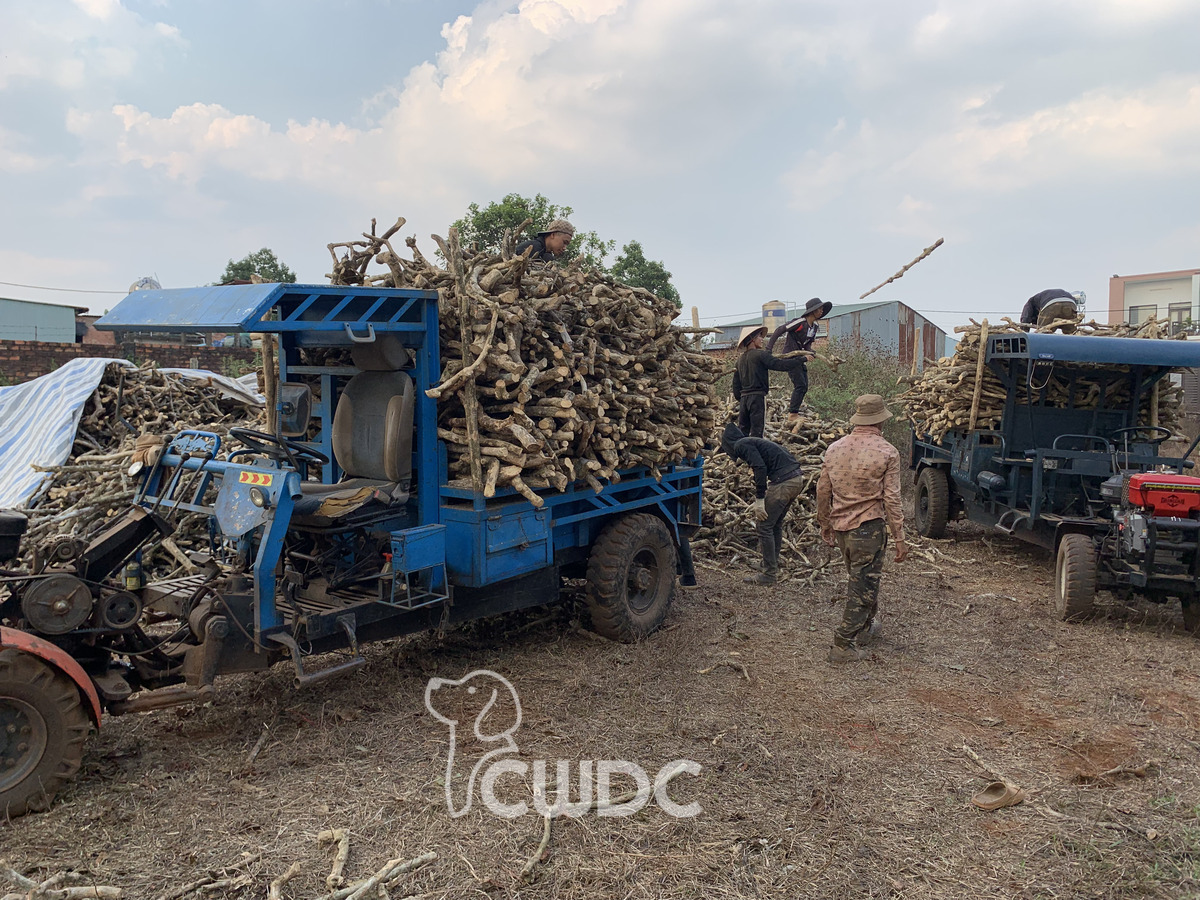
Coffee wood, harvested from retired Coffea robusta and Coffea arabica trees in Vietnam’s Central Highlands, offers a set of physical properties that no manufactured material can replicate. When a coffee tree completes its productive life, typically after 20 to 25 years, the wood is repurposed rather than burned. What remains is a dense, fibrous hardwood with a unique grain structure that has proven exceptionally well-suited to the demands of cat scratching behavior.
The fibrous structure of aged coffee wood provides exactly the type of resistance that satisfies feline claw-maintenance instinct. As a cat drags its claws through the wood surface, the fiber structure catches, releases. And frays in a way that feels productive and rewarding. Unlike rope that slides or carpet that mats down, coffee wood gives back. The surface stays engaging across hundreds of scratching sessions rather than collapsing under repeated use.
Just as important is the scent profile. Coffee wood carries a faint, lingering coffee aroma from the decades the tree spent producing coffee beans. For cats, whose olfactory systems are fourteen times more sensitive than a human’s, this natural scent adds an additional layer of novelty and attraction. Cat owners who have introduced coffee wood scratchers consistently note that their cats return to them day after day rather than losing interest after the first few encounters.
Claw Health: The Functional Benefit Most Brands Miss
Scratching on the right surface is genuinely good for cats. When a cat scratches coffee wood, the fibrous outer layers of the claw sheath catch and peel away cleanly, maintaining claw sharpness and hygiene without any human intervention. Over time, regular use on a coffee wood scratcher can reduce the frequency of problematic over-long claws that curl inward and cause discomfort, a common issue in older and less active indoor cats.

This passive claw-care benefit is entirely absent from smooth surfaces like plastic posts or heavily coated rope scratchers. Coffee wood’s natural grain and fiber irregularity create a surface that actively works with the cat’s natural behavior rather than simply absorbing the motion passively. For veterinary professionals who recommend regular claw maintenance as part of preventive feline care, coffee wood scratchers represent a passive, owner-friendly solution that fits naturally into any cat’s daily routine.
How CWDC Vietnam Processes Coffee Wood for Cat Products
Not all coffee wood is processed the same way, and the method matters enormously for the quality of the finished product. At CWDC Vietnam, the drying protocol is adapted to product size to ensure optimal structural integrity and safety in every piece we produce.
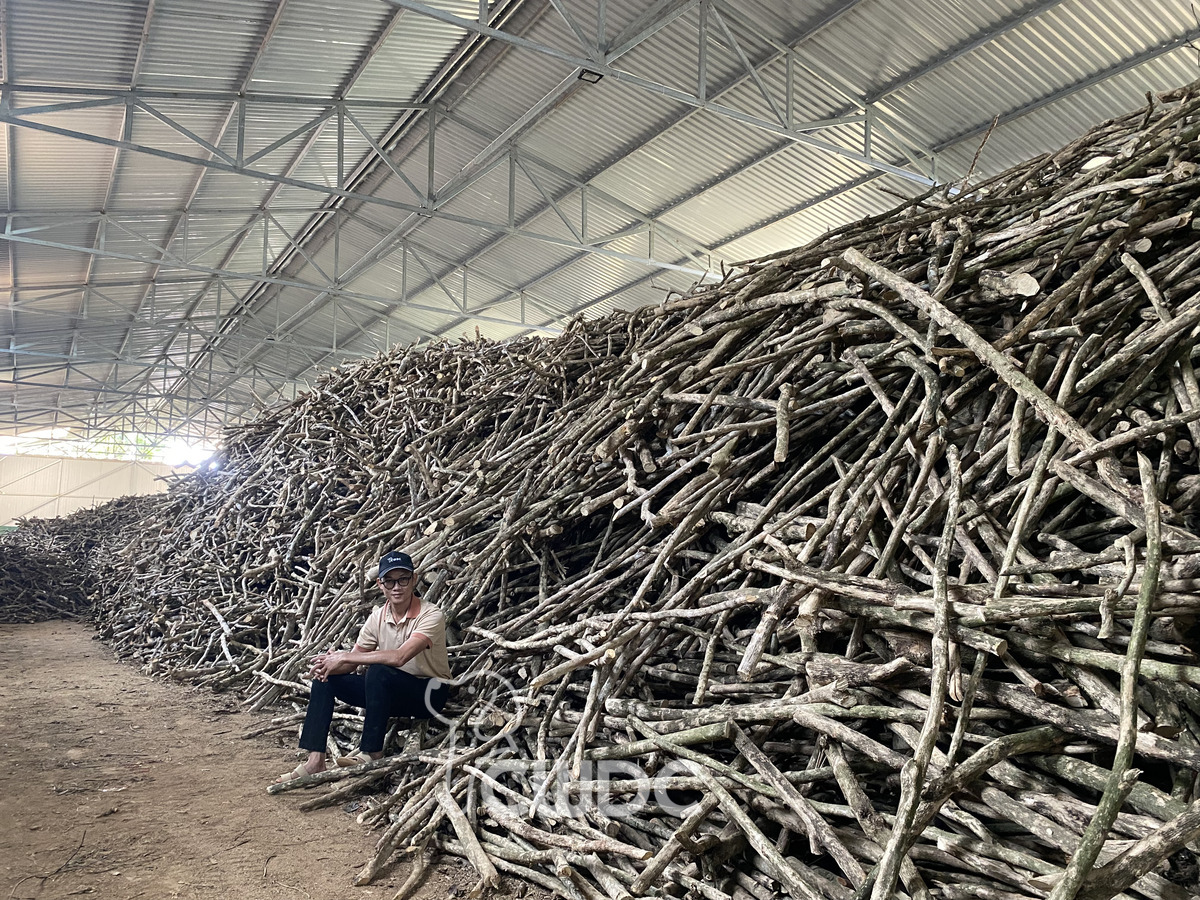
Smaller cat chew sticks and compact scratcher components are naturally dried under a protective roof using the gradual, ambient heat of the sun. This slow, careful process preserves the wood’s fiber structure and the natural aromatic compounds that make each piece irresistible to cats. Larger scratching posts, climbing structures, and enrichment platforms are kiln-dried to achieve the thorough moisture reduction required for structural strength, mold prevention. And long-term durability in a domestic environment.
Every piece is inspected for surface quality before it leaves the facility. No sharp protrusions. No loose fiber sections that could catch or injure a cat’s paw. No chemical treatments, adhesives, or coatings of any kind. This is the standard that importers in the United States, European Union, Japan, and Australia have come to expect from CWDC Vietnam.
Secondary Materials That Complement Coffee Wood
At CWDC Vietnam, coffee wood forms the structural core and primary scratching surface of every cat product we produce. Where appropriate, secondary natural materials are incorporated to extend the product’s engagement value without compromising its safety or sustainability profile.
Hemp rope wrapped around coffee wood posts provides an additional scratching texture that supports claw maintenance from a different angle, appealing to cats who prefer a coarser, more yielding surface. Natural cotton rope elements attached to coffee wood bases offer batting and interactive play surfaces that encourage pouncing, bunny-kicking. And playful engagement. Coconut coir panels combined with coffee wood platforms add rough-textured variety for cats who enjoy alternating between scratching surfaces.
These materials are always secondary to coffee wood, always natural, and always free from synthetic components. The result is a product line that engages a wide range of feline scratching preferences while remaining fully coherent in its commitment to responsible, natural sourcing from start to finish.
The 2026 Market Signal: Eco-Conscious Cat Owners Are Searching for Better
The global cat product market is undergoing a meaningful shift. The 2026 pet industry data shows a sustained increase in consumer demand for natural, non-toxic. And sustainably sourced cat accessories, particularly in scratching and enrichment categories. This is not a niche preference anymore. It reflects a mainstream expectation among millennial and Gen Z cat owners that their pet products should be as clean and responsibly sourced as their own food.
Coffee wood cat scratchers answer this demand directly. There are no synthetic materials. No petrochemical adhesives. No petroleum-based dyes. The wood itself is upcycled from agricultural infrastructure that would otherwise be burned or left to decompose at the end of its productive coffee-farming life. This genuine circular economy story is verifiable, transparent, and resonates strongly in markets where greenwashing has made buyers skeptical of vague sustainability claims.
For pet store buyers and wholesale importers, this means that coffee wood cat products arrive with a compelling, differentiated brand narrative built in, one that supports premium pricing and resonates naturally in European, American, Japanese. And Australian retail environments.
Coffee Wood Belongs on Every Cat’s Scratching Rotation
The scratching post market is one of the few pet product categories where consumers repeatedly replace products without ever solving the underlying problem. A cat that abandons a sisal post will abandon the next sisal post for the same reasons. The material, not the cat, is the variable that needs to change.
Coffee wood offers a different outcome: a surface cats return to consistently. Because it continues to deliver sensory satisfaction over time, because its fiber structure rewards ongoing use rather than degrading under it. And because the natural coffee aroma keeps the object interesting session after session.
For importers and retailers looking to differentiate their cat product range with something genuinely functional, CWDC Vietnam’s coffee wood cat scratchers, climbing posts. And enrichment platforms represent a high-quality natural alternative that addresses a real, underserved need in the market.
Ready to find a scratcher your cat will actually return to? Browse the full Coffee Wood Cat Products range and discover natural scratchers, climbing posts, and enrichment toys designed around feline instincts. All products are manufactured to internationally recognized standards. View our certifications and quality credentials for full transparency. To understand what drives our sourcing philosophy, explore our product philosophy page.


