


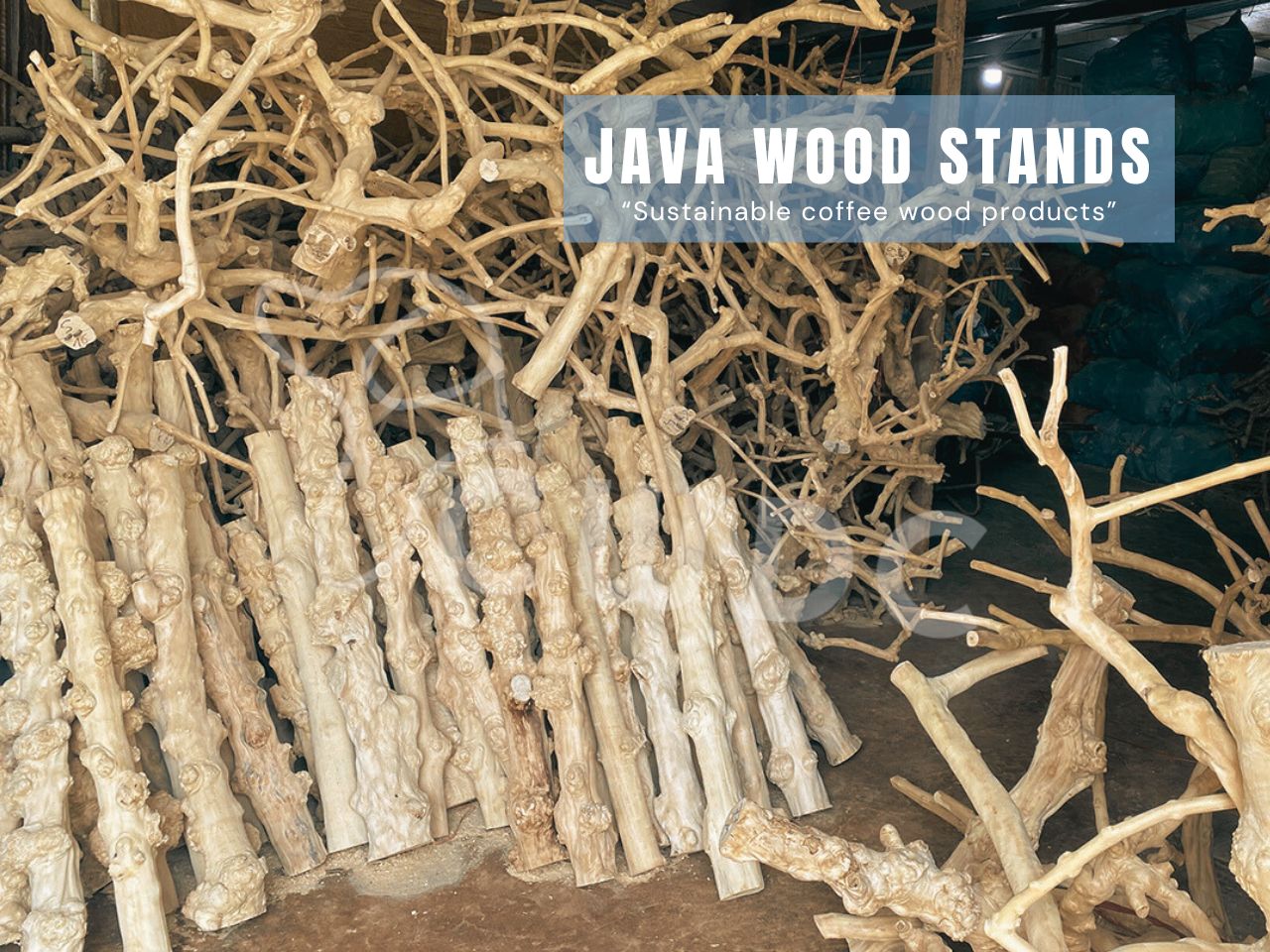
As environmental awareness grows, more bird owners are asking important questions about where their pet products come from. And what impact those choices have on the planet. Java wood bird stands, known for their durability and natural beauty, are also gaining attention for another reason: sustainability.
Java wood, also known as coffee wood, is a byproduct of the coffee farming industry. Rather than being harvested from living forests, it is sourced from old, unproductive coffee trees that farmers replace to keep plantations productive. This repurposing process creates an eco-friendly cycle that benefits the environment, local economies. And your birds.
1. What is Java Wood?
Java wood comes from the trunks and branches of coffee trees that are typically 20 years or older. Instead of discarding or burning the old wood, Java wood is salvaged, dried, and handcrafted into bird stands, perches. And toys. Key characteristics: hard and dense (ideal for birds that love to chew and climb), rich in natural texture, long-lasting. And eco-friendly in origin.
2. An Eco-Conscious Alternative to Traditional Wood Harvesting
Unlike exotic woods like teak or mahogany, which are often sourced through logging, Java wood has no direct link to deforestation. Each Java wood stand effectively upcycles wood that would otherwise be discarded or destroyed. Benefits: zero forest destruction, reduced carbon footprint, and promotion of land efficiency through sustainable agricultural cycles.
3. Supporting Regenerative Agriculture
By creating a market for Java wood, bird product manufacturers provide financial incentives for farmers to manage their land responsibly. This supports long-term soil health, provides additional income for smallholder farmers in Vietnam’s highlands. And encourages sound land-use planning by minimizing waste.
4. Longevity = Less Waste
Java wood products are famous for their exceptional durability, which means fewer resources used over time, less packaging waste. And encouragement of slow consumption — a key principle of sustainability.
5. Safe, Non-Toxic Material Without Harmful Treatments
Java wood stands are free from toxic treatments — no paints, glues, or varnishes that can leach into water or soil. They are biodegradable and compostable at the end of their life cycle, with minimal environmental impact compared to synthetic materials.
6. What Makes Java Wood “Sustainably Sourced”?
Sustainably sourced means harvesting only from retired coffee trees, no clear-cutting or habitat destruction, ethical partnerships with local farmers and woodworkers. And minimal processing to keep the environmental footprint low.
Conclusion
Java wood bird stands represent a rare synergy between ethical sourcing, environmental responsibility. And functional design. For bird owners who care about both their pets and the planet, Java wood offers a responsible and rewarding solution. When you choose a Java wood bird stand, you’re not just enhancing your bird’s quality of life — you’re supporting a better future for the environment and the communities behind these beautiful products.
Want to make the eco-friendly choice? Explore our Java Wood Bird Playstand collection, sustainably sourced, handcrafted, and chemical-free. View our certifications for full transparency on our sourcing standards. Learn why CWDC Vietnam is the trusted sustainable supplier for bird lovers and eco-conscious pet owners worldwide.


