


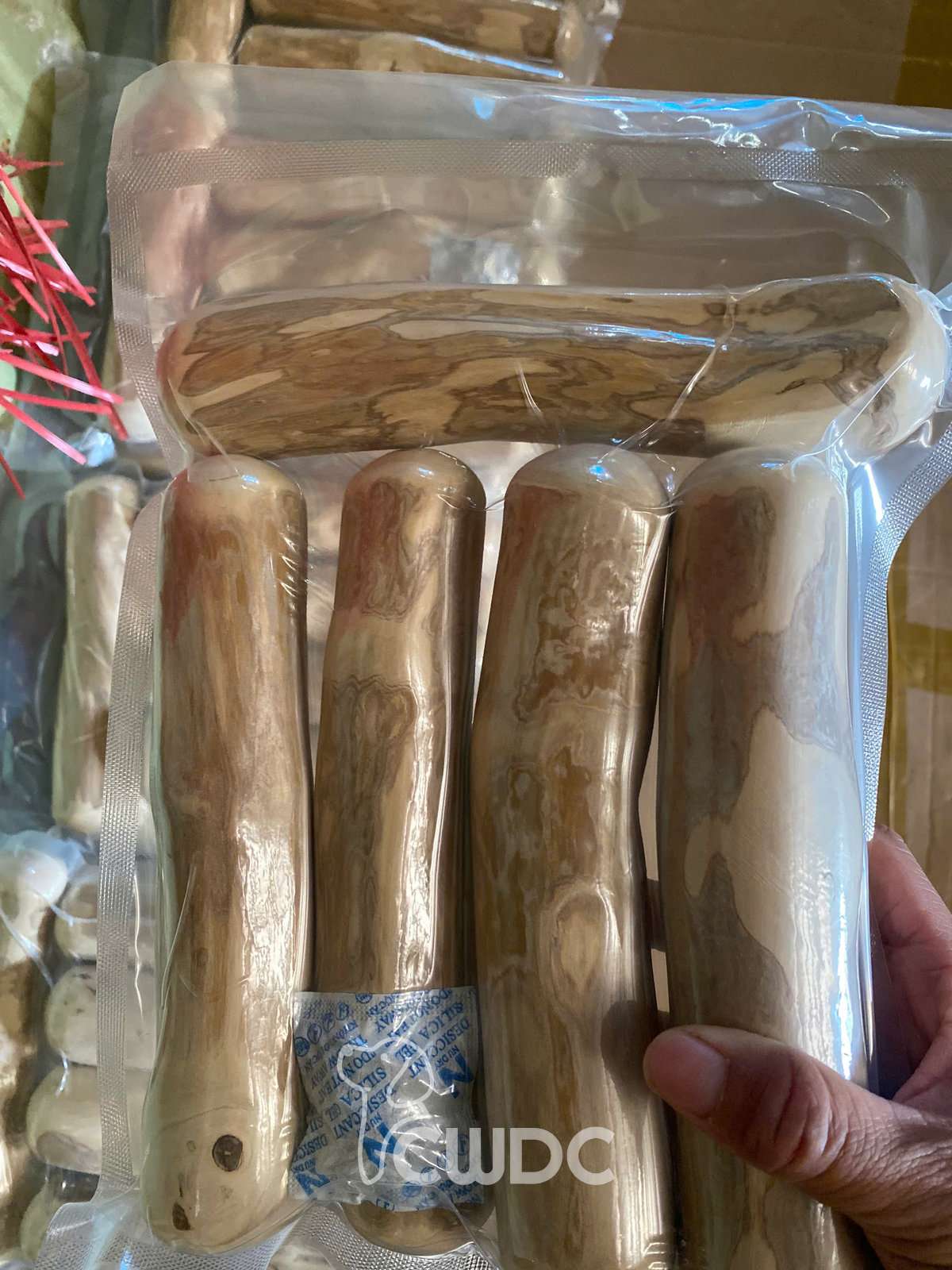
The Coffee Wood Dog Chew is one of the most popular natural chew toys in the world, but getting the size right makes all the difference between a toy your dog loves and one that sits ignored in the corner. Too small, and there is a swallowing risk. Too large, and the dog cannot grip it properly and loses interest. This guide walks you through exactly how to choose the right size for your dog.
Why Size Matters More Than You Think
With synthetic chew toys, size selection is often a rough approximation. With natural wood chews, it is a genuine safety consideration. A piece of wood that is too small for your dog’s mouth can be mouthed, rolled to the back of the throat, and swallowed, posing a choking hazard or intestinal obstruction risk. A piece sized correctly for your dog requires two-pawed gripping and sustained gnawing to make progress, which is exactly the behavior you want.
The right size also determines how satisfying the chew experience is. A piece that is too thin or short for a large dog will be consumed quickly and leave the dog unsatisfied and looking for something else to chew. A piece appropriately sized for a large dog provides a long, rewarding chewing session that tires the jaw naturally and provides genuine engagement.

The Core Rule: Larger Than the Mouth
The single most important sizing principle for any wood chew: the piece should be larger than your dog’s mouth when relaxed. Specifically, it should be long enough that when your dog holds one end, the other end cannot enter their mouth at the same time. This ensures that no matter how the dog repositions the chew during a session, they cannot swallow it whole.
Diameter matters too. Wider diameter pieces are appropriate for larger, more powerful jaws. Narrow pieces that allow a large dog’s molars to fully close around them can snap unexpectedly under bite force, creating irregular edges and reducing the toy’s lifespan significantly.
Size Guide by Dog Weight
CWDC Vietnam offers Coffee Wood Dog Chews across a range of sizes. Here is a general guide to help you select the right starting point:
Extra Small (XS), dogs under 5 kg: Suitable for toy breeds, small terriers, and puppies of small breeds. Thin branch diameter, shorter length. Great for Chihuahuas, Yorkshire Terriers, and similar small dogs.
Small (S), dogs 5-10 kg: Medium-small branch diameter. Appropriate for breeds like Miniature Schnauzers, Cocker Spaniels, and similar. Length should comfortably exceed the dog’s muzzle.
Medium (M), dogs 10-20 kg: The most commonly ordered size. Suitable for most medium breeds including Beagles, Border Collies, Staffordshire Bull Terriers, and Labrador puppies. Good branch diameter provides satisfying resistance.
Large (L), dogs 20-35 kg: Thicker branch diameter and longer length for breeds like Labradors, Golden Retrievers, Boxers, and Siberian Huskies. Designed to last significantly longer under powerful chewing.
Extra Large (XL), dogs over 35 kg: Our heaviest, most dense pieces. Suited for German Shepherds, Rottweilers, Malinois, and large mixed breeds. High-diameter branches from the thickest parts of mature coffee trees.

Adjusting for Chewing Style
Weight alone does not tell the full story. Chewing style matters significantly, and two dogs of the same weight can have dramatically different needs based on how they chew.
Light/moderate chewers: Dogs that gnaw gently and take their time with a chew toy can size down slightly within their weight range. They will still make satisfying progress through the piece without needing maximum diameter for safety.
Heavy/power chewers: Dogs that attack chew toys with full jaw force should always size up within their weight range, or consider our Gorilla Coffee Wood Chew, made from 30+ year-old wood for the densest, most resistant chew available.
Senior dogs: Older dogs with worn or sensitive teeth benefit from medium density chews at the lower end of their size range. Coffee wood is not as hard as antlers or horns, but sizing appropriately for a senior ensures the wood does not place undue stress on aging dental structures.
Puppies: Start with XS or S, even for larger breed puppies. Young teeth are still developing and do not require maximum hardness. As the dog matures and their jaw strength increases, move up in size.
Monitoring Wear and Knowing When to Replace
One of the common questions we receive: when should I replace the chew? The answer is straightforward, when the remaining piece is small enough to fit entirely within your dog’s mouth. At that point, the safety benefit of oversizing has been eliminated, and the risk of swallowing increases.
As a rough guide, plan on 3-4 weeks for a medium dog with moderate chewing habits, though this can vary significantly. Heavy chewers go through chews faster. Some dogs take months with the same piece. Get to know your own dog’s rate and budget accordingly.
Ordering Tips from CWDC Vietnam
When in doubt, go larger. A piece that is slightly too large for your dog is simply one they will spend longer enjoying. A piece that is too small creates a safety concern that cannot be resolved until replaced.
If you are ordering for the first time and are unsure which size to choose, our team is available to advise based on your dog’s breed, weight, and chewing habits. We have matched thousands of dogs to their ideal chew size and are happy to help you find the right fit.
For households with multiple dogs of different sizes, we recommend ordering one size appropriate for the smallest dog present, and separating dogs during chew sessions to prevent resource guarding and to ensure each dog has the correct size for their own needs.
Found the right size for your dog? Browse our full Coffee Wood Dog Chew range, read about Our Philosophy, and see our product video library.


