


The living environment you provide for a hamster, gerbil, or small reptile determines far more than their immediate comfort. The materials in their enclosure, the structures they can explore, and the textures they interact with shape their behavioral health, their stress levels, and their long-term vitality. Coffee wood, sourced from mature coffee trees in the Central Highlands of Vietnam by CWDC Vietnam, addresses each of these dimensions in a way that synthetic pet accessories cannot replicate.
The Instinct That Drives Small Pet Behavior
Hamsters and gerbils are burrowing animals. In the wild, they construct elaborate tunnel systems that serve as sleeping chambers, food stores, escape routes from predators, and social structures in species that live colonially. This behavior is not a learned preference; it is a fundamental expression of their biology. A hamster that cannot burrow, hide, or explore confined spaces experiences chronic low-grade stress that affects appetite, immune function, and lifespan.
The same principle applies to many reptile species. Geckos, skinks, and snakes seek sheltered hiding spots to thermoregulate safely, to feel secure during vulnerable periods like shedding, and to reduce environmental stress. An enclosure without adequate hiding structures is not merely suboptimal; it is a source of ongoing physiological stress for the animal housed in it.
The enrichment products a pet owner chooses must therefore meet specific functional criteria before any aesthetic consideration. The structure must be appropriately sized, stable, non-toxic, and capable of replicating the sensory experience of a natural burrow or hideout. On all of these criteria, coffee wood delivers results that synthetic alternatives cannot match.
How Coffee Wood Replicates Natural Habitat
The Coffee Wood Hamster Tunnel from CWDC Vietnam is designed around the behavioral needs described above. Its structure features intricate pathways with multiple entry and exit points, which invite exploration and replicate the branching structure of wild tunnel systems. Small rodents use these structures to engage in investigative play, to hide and emerge in patterns that resemble the peek-and-retreat behavior observed in wild populations, and to exercise in a way that is cognitively stimulating rather than merely physical.

The irregular texture of the coffee wood interior adds another enrichment dimension. Natural wood surfaces offer varied tactile input that synthetic plastic tunnels cannot provide. Hamsters and gerbils use tactile sensation as a primary means of navigating their environment, and the natural surface variation of coffee wood supports this sensory engagement throughout the structure.
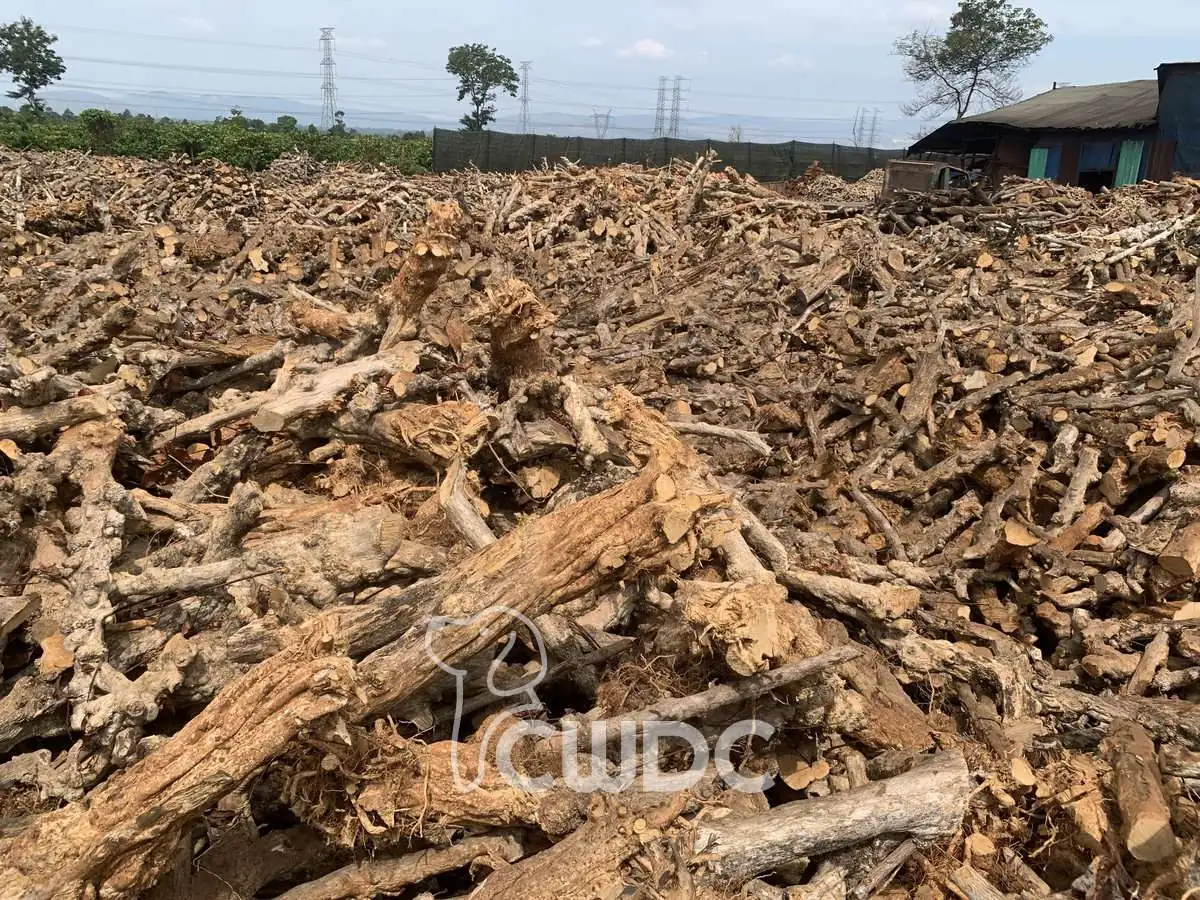
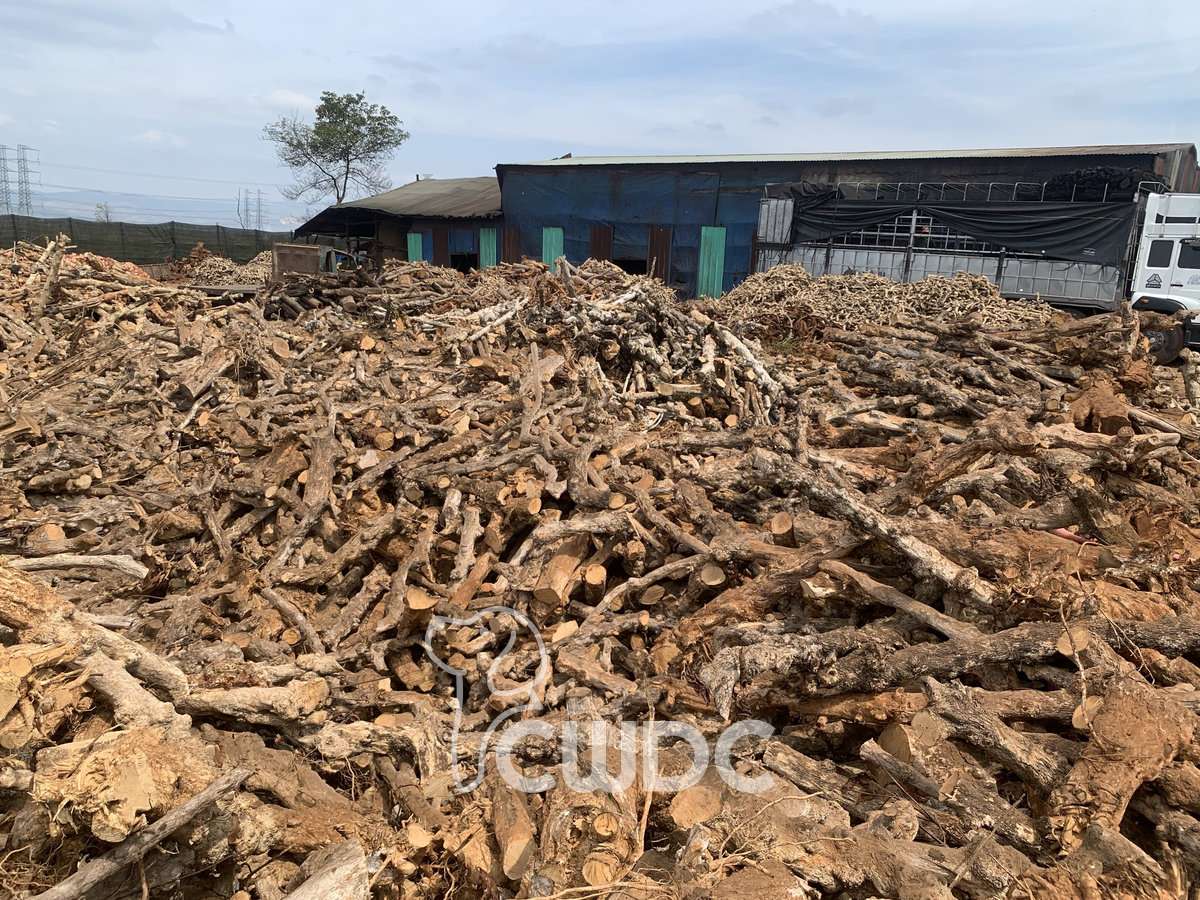
Coffee wood is sourced from coffee trees that have passed their productive fruit-bearing years. These trees, grown on coffee plantations across Vietnam’s Central Highlands, are repurposed when they cease coffee production rather than being discarded. This repurposing model ensures that nothing from the lifecycle of the coffee tree goes to waste, while providing a raw material with specific properties that make it ideal for small pet enrichment products.
Material Safety for Small Pets
Safety is a more complex question for small animal products than many pet owners realize. Rodents and reptiles make frequent contact with every surface in their enclosure. They chew on structural elements, press their bodies against walls and floors, and some species ingest substrate materials regularly as part of normal foraging behavior. This means any material introduced to a small pet enclosure must be verified safe for incidental and even deliberate ingestion.
Coffee wood satisfies these requirements on multiple levels. The wood contains no caffeine. Caffeine is concentrated in the fruit and leaves of the coffee plant, not in the woody stem and branch material. The trunk material used to produce CWDC Vietnam’s small pet products is manufactured without chemical treatments, adhesives, stains, or sealants. The product your pet interacts with is natural wood, dried and shaped, nothing added.
Enrichment Benefits Beyond the Physical Structure
A well-designed tunnel or hideout does more than provide shelter. It becomes a site of active behavioral engagement that contributes to the mental health of the animal housed with it. Hamsters given access to tunnel structures exhibit lower rates of stereotypic behavior (repetitive movements associated with environmental stress), higher rates of investigative activity, and more varied activity patterns across the day.
The natural aroma of coffee wood plays a role in this enrichment that is easy to overlook. Small rodents rely heavily on olfactory information to navigate their environment, identify safe zones, and assess objects before interacting with them. The natural scent of coffee wood, mild and organic rather than chemical or synthetic, provides a sensory cue that small pets integrate into their spatial mapping of the enclosure. Pet owners consistently observe that hamsters and gerbils engage with coffee wood structures more persistently and more readily than with plastic alternatives, and olfactory engagement is a significant part of that behavioral difference.
The physical design of the hamster tunnel also supports active play beyond simple exploration. The enclosed structure encourages running, turning, and reversing in a way that exercises the animal through natural movement rather than forced repetition. Unlike an exercise wheel, which can become a compulsive behavior in isolated animals, a tunnel network with multiple pathways provides the variety and novelty that wild burrowing behavior naturally includes.
Coffee Wood Hideouts for Reptiles
The Coffee Wood Reptile Hideout from CWDC Vietnam addresses a different but equally important set of behavioral needs. Reptile thermoregulation requires access to both exposed and sheltered areas, and the sheltered area must be genuinely secure. A hideout that rocks, tips, or shifts when the animal leans against it fails to provide the sense of security that a reptile requires. The natural density and weight of coffee wood ensures that CWDC Vietnam’s hideouts remain stable under the movement of the animals using them.
Each coffee wood hideout is handcrafted rather than molded. The organic shapes of the finished pieces reflect the natural character of the wood source, and no two pieces are identical. This means the hideout installed in a reptile enclosure introduces a genuinely natural aesthetic element while serving its functional purpose, supporting the bioactive or naturalistic enclosure designs that reptile keepers increasingly prefer.
The surface properties of properly dried coffee wood also support hygiene in reptile keeping. Unlike porous materials that absorb moisture and harbor bacteria, coffee wood can be cleaned with a damp cloth and dried without structural damage, maintaining hygiene without requiring chemical disinfectants that could harm sensitive reptile skin.
Sourcing and Production
CWDC Vietnam operates in Vietnam’s Central Highlands, one of the country’s primary coffee-growing regions. The coffee trees used in production are sourced directly from local farming families whose plantations have grown coffee for decades. When trees reach the end of their productive fruit-bearing cycle, rather than being burned or discarded as agricultural waste, they are collected and processed into enrichment products for the international pet market.
This model directly supports local agricultural communities while removing what would otherwise be a waste material from the supply chain. The lifecycle of each coffee tree contributes first to the global coffee supply and then to the international pet product market, with no extraction of virgin timber and no land clearing required at any stage of the process.
Ready to enrich your hamster’s world naturally? Shop the Coffee Wood Hamster Tunnel, browse our FAQs, and discover our product video library.


