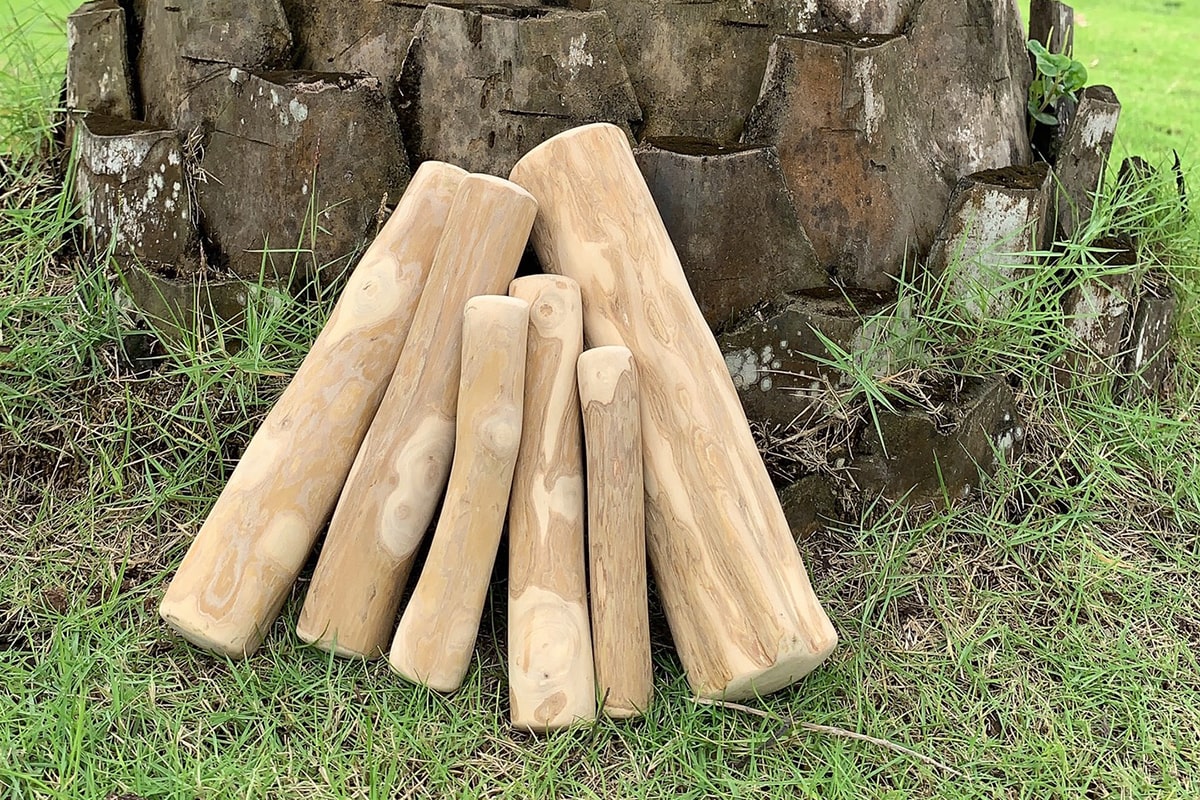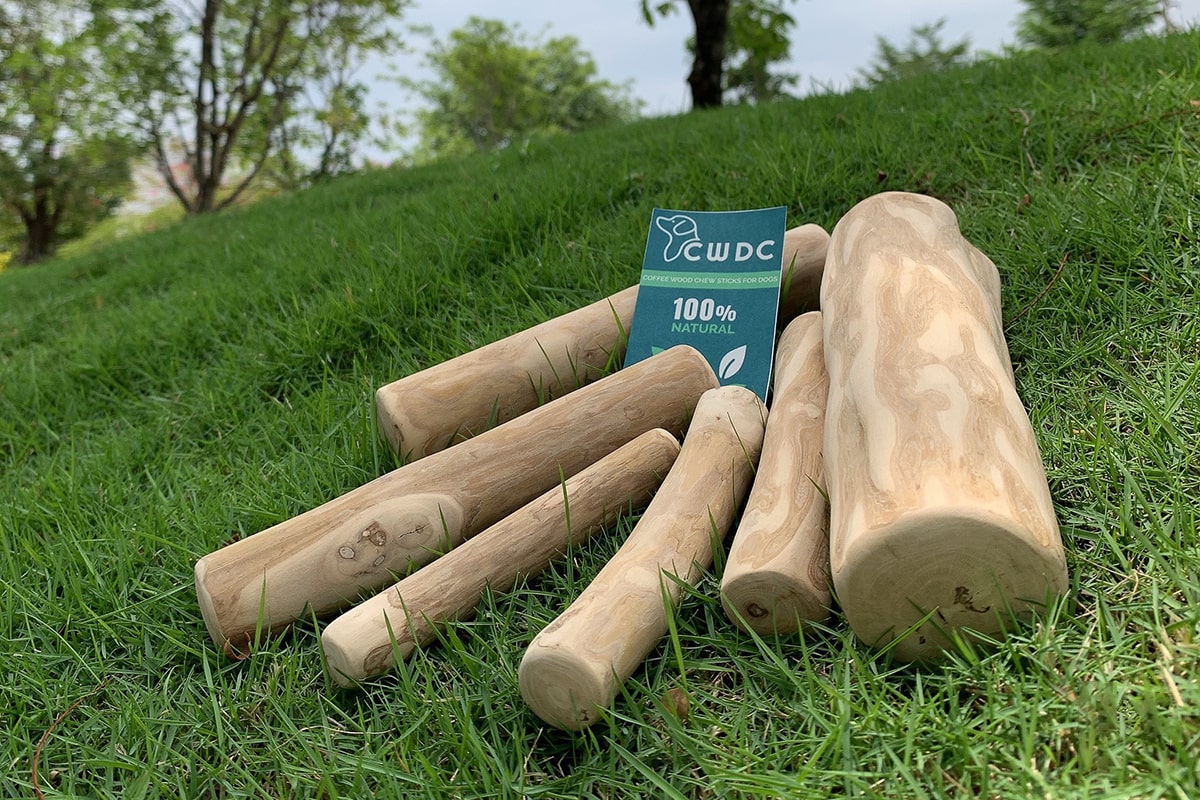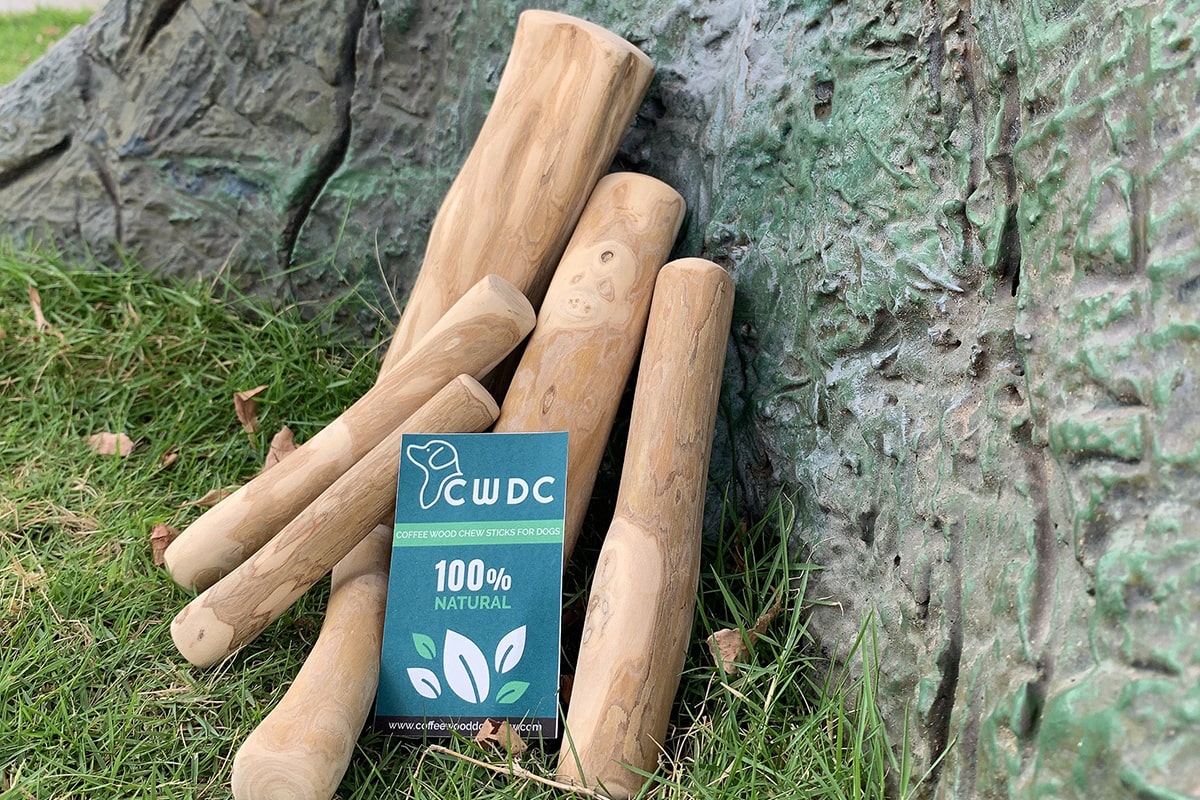

The rise of coffee wood dog chews is not only a story of innovation in the pet industry, it is also a powerful example of how value can be created within agricultural communities. In Vietnam’s Central Highlands, where coffee farming is a primary source of livelihood, the introduction of coffee wood chews has brought meaningful economic benefits to local farmers, workers, and surrounding communities.
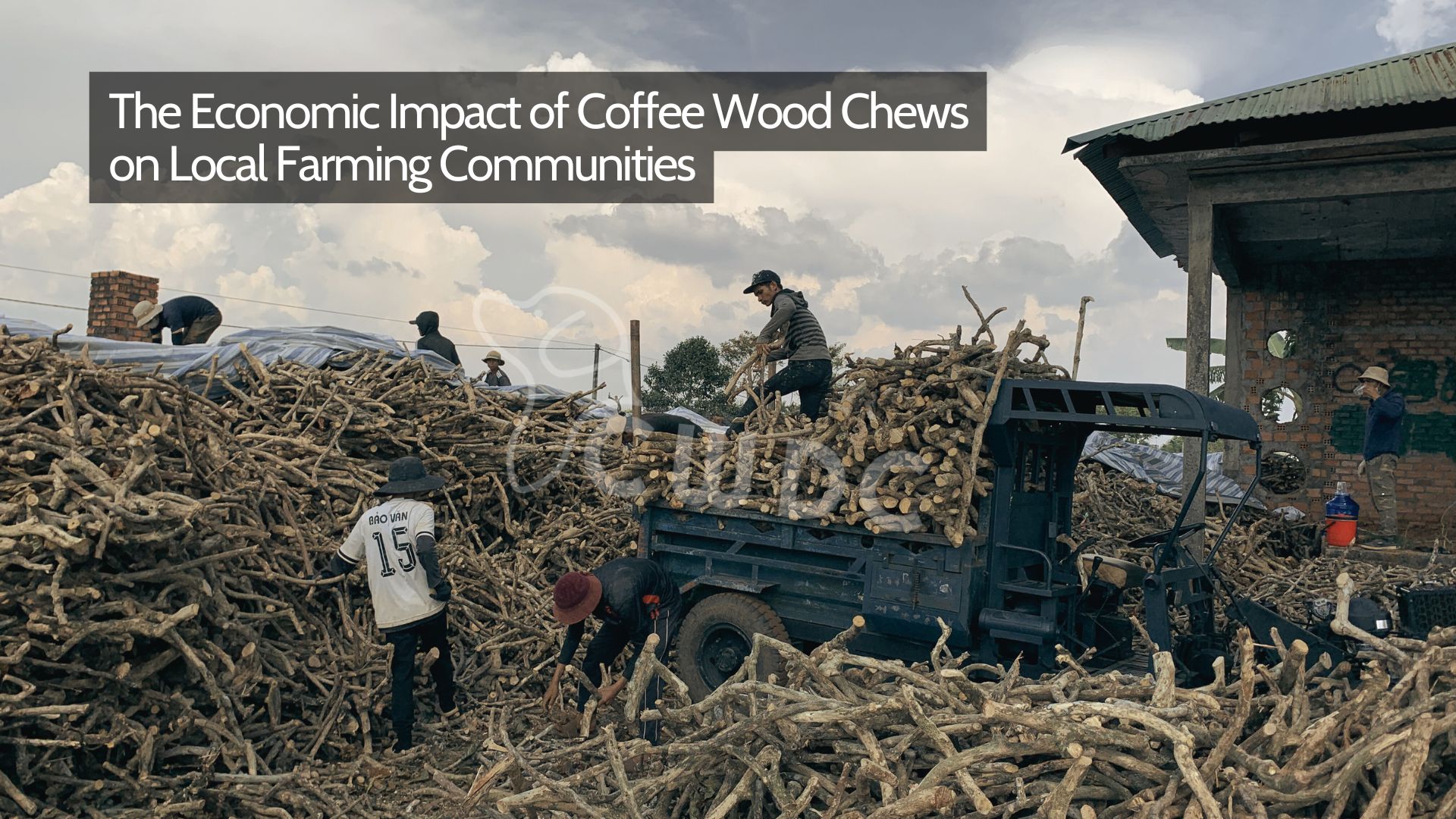
Traditionally, coffee farmers focus almost entirely on harvesting coffee beans, which serve as their main source of income. However, coffee trees have a limited productive lifespan. After around 20–30 years, yields decline, and farmers must cut down old trees to plant new ones. In the past, this aged wood had little to no economic value. It was often burned, discarded, or left to decompose, creating waste and, in some cases, additional labor costs for disposal.
The emergence of coffee wood chews has transformed this dynamic by turning what was once agricultural waste into a valuable secondary income stream. Companies like CWDC Vietnam purchase aged coffee wood directly from farmers, providing them with additional revenue during the replanting season. This supplemental income can be especially important for smallholder farmers, helping to stabilize earnings in an industry often affected by fluctuating coffee bean prices.
Beyond direct purchases, the coffee wood supply chain also creates new employment opportunities. Local workers are involved in collecting, sorting, transporting, and processing the coffee wood. These activities generate jobs not only on farms but also in nearby communities, supporting rural economies and reducing the need for migration to urban areas. For many households, this added economic activity contributes to improved living standards and greater financial resilience.
Another important impact is the promotion of a more sustainable and efficient agricultural model. By monetizing aged coffee wood, farmers are encouraged to manage their plantations more proactively. Instead of delaying the replacement of old trees due to disposal concerns, they can confidently replant knowing that the removed wood has market value. This leads to healthier farms, better yields, and a more sustainable long-term production cycle.
The coffee wood industry also strengthens the relationship between manufacturers and farming communities. Companies like CWDC Vietnam often build long-term partnerships with local suppliers, fostering trust, fair pricing practices, and stable demand. These relationships can lead to better knowledge sharing, improved harvesting techniques, and a stronger, more transparent supply chain.
From a broader perspective, the economic impact extends beyond individual farmers. By exporting coffee wood chews to international markets, Vietnam is able to increase the overall value of its agricultural sector. Instead of relying solely on raw commodity exports like coffee beans, the country benefits from value-added products that command higher margins. This contributes to economic diversification and enhances the global reputation of Vietnamese-made goods.
In conclusion, the development of coffee wood dog chews has created a positive ripple effect across local farming communities. What was once considered waste has become a source of income, employment, and sustainability. By integrating agricultural byproducts into a global value chain, companies like CWDC Vietnam are not only delivering high-quality pet products but also supporting livelihoods, strengthening rural economies, and promoting a more sustainable future for Vietnam’s coffee industry.
Related Posts:
- Enhancing Economic Opportunities for Ethnic Minority Workers in the Coffee Wood Industry
- Are coffee wood chews safe for dogs ? A Comprehensive Look
- The Economic Value of Aged Coffee Wood and Its Rising Demand
- The Sustainability of Coffee Wood Harvesting and Its Long-Term Impact
- How CWDC Vietnam Supports Sustainable Livelihoods for Minority Communities
- Origin and Development of Coffee Wood Dog Chews in the Market